Introduction
There’s something exciting about starting a new project—whether it’s building a dream home, redesigning a workspace, or planning a bold architectural transformation. But that excitement can quickly turn into uncertainty when you don’t know who to reach out to or how to start the conversation. That’s exactly why understanding how to use flyarchitecture contact the crew matters.
When you’re ready to move from inspiration to action, connecting with the right architectural team is everything. The way you approach that first contact can shape your entire experience—from response times and clarity to how smoothly your project progresses. If you’ve ever wondered what to say, what details to include, or how to prepare before reaching out, this guide will walk you through it step by step.
In this in-depth article, you’ll learn how to approach the contact process confidently, what information professionals actually need from you, and how to make the most of your first interaction.
Why Contacting the Right Architecture Team Matters
Architectural projects aren’t just about drawings and measurements. They’re about vision, functionality, budget alignment, timelines, and compliance. When you connect with the right team from the beginning, you:
- Avoid unnecessary back-and-forth emails
- Clarify expectations early
- Reduce the risk of misunderstandings
- Get realistic guidance about budget and scope
- Build a professional relationship based on trust
The contact stage is more than just a form submission—it’s the foundation of collaboration.

Understanding flyarchitecture contact the crew
When you see a phrase like flyarchitecture contact the crew, it’s more than a simple button on a website. It’s an invitation. It signals that the team is open to dialogue, collaboration, and new ideas.
In practical terms, this contact option typically connects you directly with:
- The design team
- Project coordinators
- Client support specialists
- Consultation scheduling staff
Each inquiry helps the crew understand your needs before any formal planning begins.
What the Contact Page Usually Includes
Most architecture contact pages include:
- A name and email field
- A phone number field
- A subject or project type dropdown
- A message box for detailed descriptions
- Sometimes file upload options
Your job is to use that space strategically.
After you’ve reviewed the contact page layout and fields, take a moment to gather your thoughts before typing anything. Rushed messages often lead to incomplete details, which slows down the process.
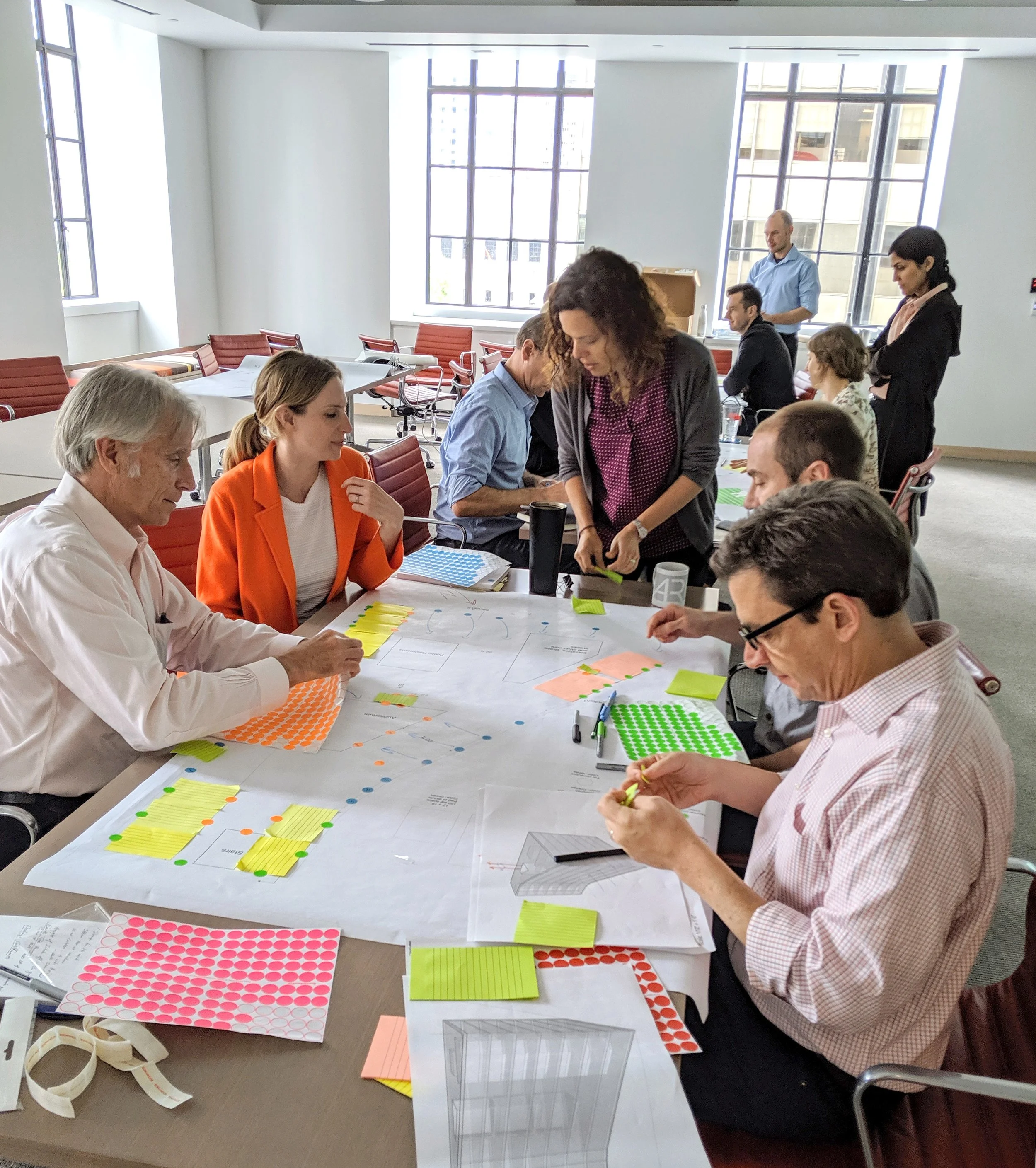
These images represent what happens on the other side of your message—professionals reviewing plans, discussing possibilities, and evaluating feasibility.
Preparing Before You Reach Out
Before using flyarchitecture contact the crew, gather the essential details about your project. Think of this as organizing your thoughts so the team can respond accurately.
Define Your Project Type
Be specific. Instead of saying, “I want to build something,” clarify:
- Residential home
- Renovation or extension
- Commercial space
- Interior redesign
- Concept design consultation
The clearer you are, the faster the team can route your inquiry to the right specialist.
Identify Your Location
Architecture is highly location-dependent. Zoning regulations, building codes, climate considerations, and land conditions all matter. Include:
- City and state
- Property type (urban, rural, coastal)
- Whether you already own the land
Outline Your Timeline
Even if you’re flexible, provide an estimated timeframe:
- Planning phase only
- Construction within 6–12 months
- Long-term concept development
Clear timelines help teams assess availability.
Writing an Effective Inquiry Message
When using flyarchitecture contact the crew, your message should be concise yet detailed. Think clarity, not length.
Here’s a structure you can follow:
- Brief introduction
- Project overview
- Location details
- Timeline
- Budget range (if comfortable sharing)
- Specific questions
Example Structure
Instead of:
“Hi, I need help designing my house. Please contact me.”
Try:
“Hello, I’m planning a 2,500 sq. ft. residential home in Austin, TX. I own the land and am aiming to begin construction within 12 months. I’m interested in sustainable design features and would like to understand your design process and estimated consultation fees.”
That single message provides direction and context.
Common Mistakes to Avoid
Many clients unintentionally slow down communication. Here are common pitfalls:
- Providing no location details
- Forgetting contact information
- Sending extremely vague descriptions
- Attaching unclear or low-quality files
- Expecting instant cost estimates without details
Professional architecture requires evaluation, so patience and precision go hand in hand.
What Happens After You Submit
Once you complete flyarchitecture contact the crew, the team typically follows a structured process:
- Initial review of your inquiry
- Internal routing to relevant specialists
- Response with clarifying questions or next steps
- Consultation scheduling
- Proposal development
Response times vary, but most firms reply within a few business days.

These steps reflect the behind-the-scenes workflow once your message is received.
Building a Strong First Impression
Architecture is a collaborative profession. Your first message sets the tone.
To stand out positively:
- Be respectful and professional
- Show that you’ve reviewed the firm’s portfolio
- Reference a specific project you admire
- Ask thoughtful questions
Example:
“I was particularly inspired by your modern hillside project. I’m curious how you approach natural light integration in similar terrains.”
This signals genuine interest.

When to Request a Consultation Call
If your project is complex, ask about a consultation call directly through flyarchitecture contact the crew. A conversation can clarify more in 30 minutes than several emails.
Consider requesting a call if:
- Your project involves multiple stakeholders
- You’re unsure about feasibility
- You need preliminary guidance before purchasing land
- You have regulatory concerns
Live discussions help align expectations early.
Sharing Visual Inspiration Effectively
Architects think visually. If the contact page allows file uploads, consider including:
- Inspiration images
- Site photos
- Sketches
- Existing floor plans
However, limit attachments to relevant materials only.

Budget Transparency: Why It Helps
Many clients hesitate to share budget estimates. But providing a realistic range prevents mismatched expectations.
You don’t need exact numbers. A range works:
- Under $200,000
- $200,000–$500,000
- $500,000+
Transparency saves time for everyone.
Professional Etiquette in Architectural Communication
Architectural firms often manage multiple projects simultaneously. Keep these communication principles in mind:
- Avoid sending multiple follow-up emails within 24 hours
- Respond promptly to clarification requests
- Consolidate your questions into one message
- Maintain professionalism even during revisions
Strong communication builds trust and smoother collaboration.
Frequently Asked Questions
What is flyarchitecture contact the crew used for?
It is typically the primary communication channel for inquiries, consultations, and project discussions with the architecture team.
How long does it take to get a response?
Most professional firms respond within a few business days, though response times may vary during peak seasons.
Should I include my budget in the first message?
Yes, if you’re comfortable. Providing a budget range helps determine feasibility and design scope early.
Can I attach inspiration images?
If the contact form allows file uploads, including relevant images or sketches can help clarify your vision.
What if I’m only exploring ideas?
You can still use flyarchitecture contact the crew to request a consultation or preliminary discussion.
Is a consultation usually free?
Policies vary by firm. Some offer free initial calls, while others charge for detailed feasibility sessions.
What information is essential in my inquiry?
At minimum: project type, location, timeline, and a short description of your goals.
Can I request ongoing collaboration through the contact page?
Yes. Many long-term design relationships begin with a simple, well-written inquiry.
Conclusion
Starting an architectural journey can feel overwhelming, but it doesn’t have to be. The moment you decide to use flyarchitecture contact the crew, you’re taking a proactive step toward clarity and professional guidance. That first message opens the door to expertise, creativity, and structured planning.
Approach the contact process with intention. Be clear about your goals, transparent about your expectations, and respectful in your communication. When you do, you don’t just send a message—you begin a partnership that can transform ideas into tangible, thoughtfully designed spaces.
The right conversation today can shape the structure you’ll live, work, or build in tomorrow.