Introduction
A room can feel completely different the moment your eyes move upward. That’s the appeal of a vaulted ceiling—it creates drama, openness, and a sense of light that standard ceilings often cannot match. If you’ve ever wondered what is a vaulted ceiling, or asked what are vaulted ceilings, you’re not alone. Many homeowners search phrases like what is vaulted ceiling, vaulted ceiling meaning, what does vaulted ceiling mean, what’s a vaulted ceiling, and whats a vaulted ceiling before deciding whether this design feature belongs in their home.
In simple terms, a vaulted ceiling is a ceiling that rises above the standard flat ceiling line. It may slope upward, follow the roofline, or create a dramatic overhead shape. People also search for it using related phrases like vault ceiling, vault ceilings, ceiling vault, ceiling vaulted, and even common misspellings such as vaulted cielings, vaulted celings, vaulted celing, vaulted cieling, valted ceiling, valted ceilings, valuted ceiling, valuted ceilings, volted ceiling, volted ceilings, caulted ceiling, volt ceiling, vaulted clg, and vaukted ceiling.
This ceiling style matters because it changes both the look and feel of a home. It can make a modest room seem larger, create space for bigger windows, and add architectural interest that flat ceilings rarely provide. Whether you are planning a remodel, building from scratch, or just comparing ideas like lofted ceiling, lofted ceilings, lofty ceilings, loft ceilings, volume ceiling, and volume ceilings, understanding the basics can help you make a smarter decision.
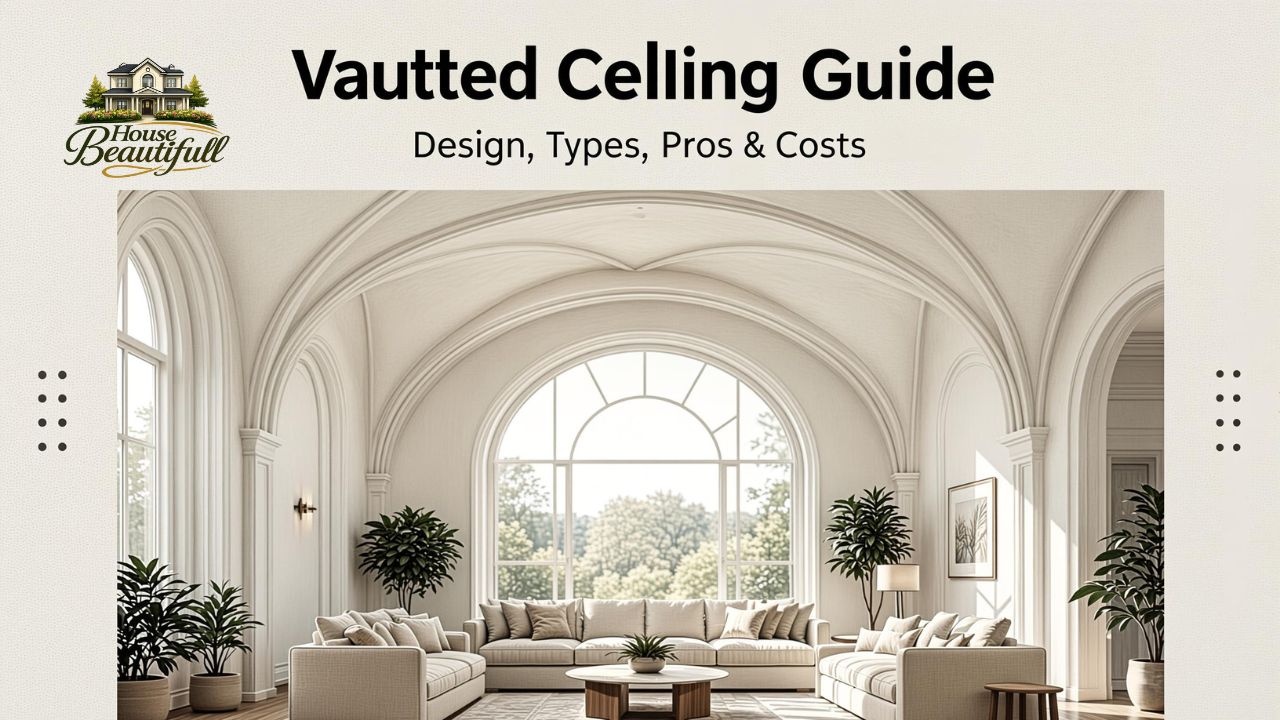
Vaulted ceiling in a bright living room
Vaulted ceiling definition and meaning
When people ask for the definition of vaulted ceiling or say define vaulted ceiling, they usually want a simple explanation. The clearest vaulted ceiling definition is this: a ceiling that extends upward from the normal ceiling height, usually with one or more sloping sides. You may also see searches for vaulted ceilings definition, vaulted ceilings meaning, vaulted ceiling means, vaulted ceilings means, and even vaulted meaning.
So, what is a vaulted ceiling? It is a ceiling design that creates extra vertical space. In some homes, that means a dramatic central peak. In others, it means a softer slope or a more sculpted form. If you’re asking what is vaulted ceilings, the better grammar is plural—what are vaulted ceilings—but the intent is the same: people want to understand this elevated ceiling style.

Homeowners also ask what is considered a vaulted ceiling, what is a vaulted ceiling in a house, and what is vaulted ceiling means. The answer is generally the same: if the ceiling rises above the usual flat line and creates noticeable height or slope, it falls into the vaulted category. In everyday conversation, you might also hear what’s vaulted ceiling or what is vaulted from people who are just beginning to learn home design terms.
What does a vaulted ceiling look like?
A very common question is what does a vaulted ceiling look like. Usually, it looks open, tall, and visually striking. Instead of running straight across, the ceiling rises upward. That rise may be symmetrical, asymmetrical, curved, angled, or partially flat in the center with sloped sides.
Some people describe it as a ceiling that goes up, a peak ceiling, an elevated ceiling, or one of several elevated ceilings found in modern homes. Others compare it to a pointed ceiling, arched ceiling, clipped ceiling, or even a cantilevered ceiling depending on the shape and structure. In design conversations, people may also mention vaulted flat ceiling, vaulted ceiling with flat center, or box vault ceiling when describing specific forms.
Because search behavior is messy, you may even find people typing vaulted.ceiling, vaulted ceiling., bolted ceiling, or voltage ceiling when they really mean a vaulted design. Those terms are not technically correct, but they still point back to the same idea: a ceiling with more height, slope, and visual interest than a standard flat ceiling.
Types of vaulted ceilings
There are several types of vaulted ceilings, and each creates a different effect.
Cathedral style
The most familiar version is the cathedral style. This is why many people search cathedral vs vaulted ceiling, cathedral ceiling vs vaulted, vaulted ceiling vs cathedral ceiling, or vaulted vs cathedral ceiling. A cathedral ceiling usually follows the roofline with two equal slopes meeting at a ridge. It is a specific type of vaulted ceiling, but not every vaulted ceiling is cathedral.
This also explains why searches like what are cathedral ceilings and cathedral or vaulted ceilings are so common. In a cathedral ceiling living room, the visual effect is dramatic and grand, especially when paired with windows, exposed beams, or statement lighting.
Barrel, dome, and arched forms
Some vaulted styles are softly curved rather than sharply peaked. These may resemble an arched ceiling or a rounded vault. In historic or church architecture, you might even hear phrases like vaulted church areas, where the ceiling design creates an echoing, sacred, spacious feeling.
Tray and boxed forms
A vaulted tray ceiling combines the idea of a tray ceiling with extra height. A box vault ceiling creates a geometric version of the same visual lift. These styles work well when homeowners want more dimension without going fully cathedral.
Roof-related forms
A vault roof or vaulted roofs often shape the ceiling below. When the ceiling follows the roof pitch, it can create a direct connection between exterior structure and interior space. That’s one reason why vaulted ceiling architecture is such an important topic in custom home design.
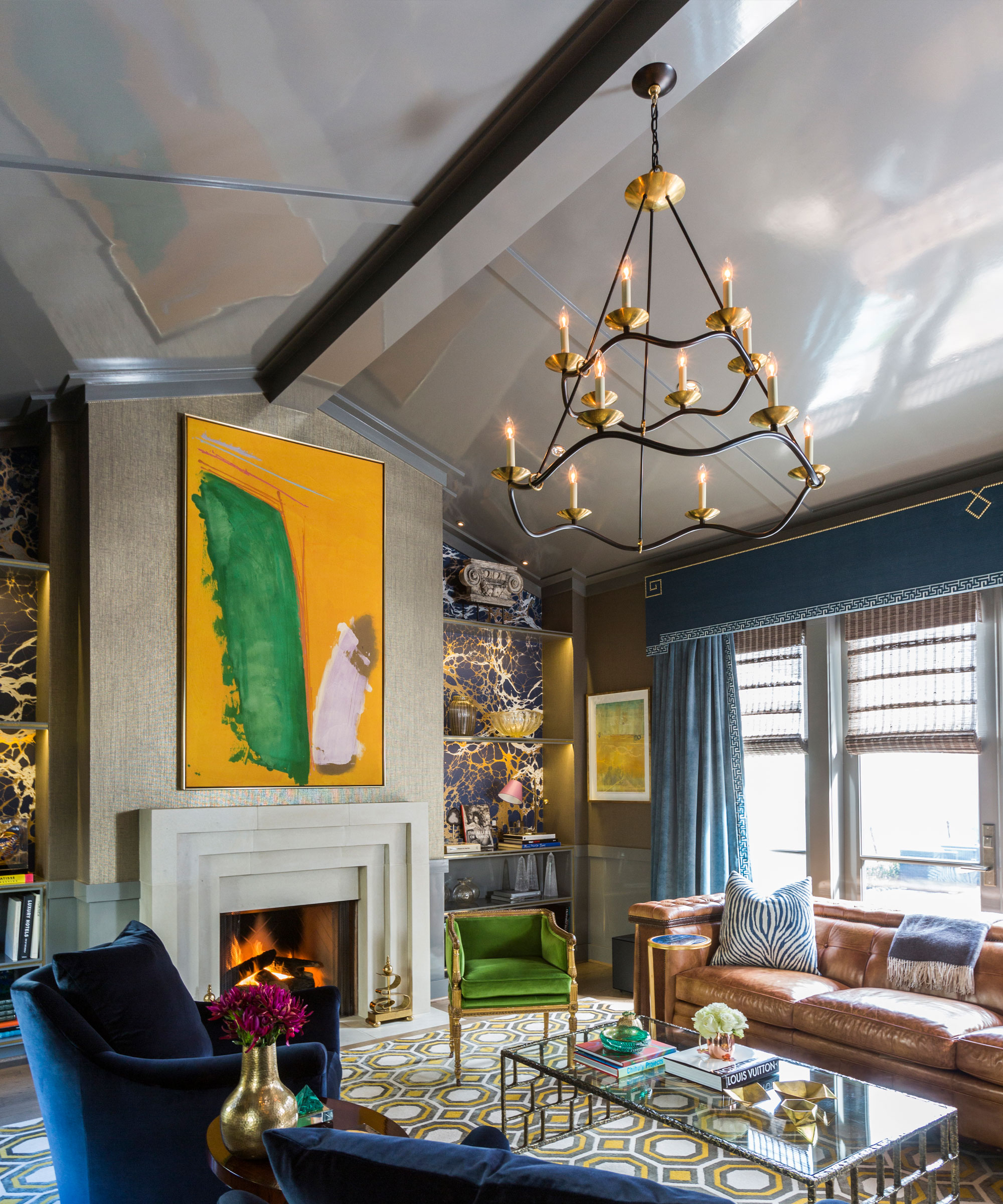
Modern vaulted ceiling with exposed beams
Structure and architecture behind a vaulted ceiling
The vaulted ceiling structure matters just as much as the appearance. A vaulted ceiling is not simply decorative; it depends on framing, load paths, insulation, and roof design. Builders often prepare a vaulted ceiling section in architectural drawings to show how the slope, rafters, beams, and finishes all come together.
This is why people researching construction frequently search how to vault a ceiling, vaulting ceilings, vaulted ceiling home, and house ceiling options before starting a remodel. In many houses, converting a flat ceiling into a vaulted one means changing framing, rerouting electrical lines, and improving insulation to handle the increased air volume.
People also compare it with a volume ceiling and ask what is a volume ceiling, volume ceiling meaning, or whether it is the same as a vaulted design. A volume ceiling usually refers more broadly to a tall or expanded ceiling area, while a vaulted ceiling specifically implies an upward shape or slope. So while every vaulted ceiling adds volume, not every volume ceiling is technically vaulted.
What is a slanted ceiling called?
Another common question is what is it called when the ceiling is slanted. The answer depends on the shape. In many homes, the answer is simply a vaulted ceiling. But depending on the angle and structure, people also ask what is a slanted ceiling called, what are slanted ceilings called, and what is a pitched ceiling.
A pitched or slanted ceiling may be vaulted, but it can also be part of an attic conversion or upper-floor room tucked under the roofline. That’s why related terms like vaulted attic ceiling, dormered ceiling, and clipped ceiling appear in searches. Not every sloped ceiling is dramatic enough to feel vaulted, but many share the same visual language.
Rooms where vaulted ceilings work best
A vaulted ceiling living room is one of the most popular applications because it instantly makes the main gathering space feel larger and brighter. Many homeowners search for living room vaulted ceiling ideas when they want to create a focal point with beams, chandeliers, skylights, or clerestory windows.
A vaulted ceiling in bedroom or vaulted ceiling bedroom can feel cozy and luxurious at the same time. A bedroom vaulted ceiling works especially well in primary suites where a sense of retreat matters. These ceilings can make the room feel more relaxing while giving extra wall height for windows, artwork, or statement headboards.
You’ll also see interest in vaulted hallway, vaulted foyer, vaulted room, and vaulted ceiling in apartment designs. For urban spaces, people often search what are vaulted ceilings in apartments because they want to know whether the extra height adds value, style, or livability. In small apartments, even one vaulted area can make the entire place feel less boxed in.
Design ideas for a vaulted ceiling
If you are exploring vaulted ceiling design or vault ceiling design, think about how the ceiling will interact with light, furniture, and wall finishes. A tall ceiling can look amazing, but it still needs balance. Exposed beams can add warmth. Skylights can brighten the room. Paint color can make the height feel airy or intimate.
Some of the best vaulted ceiling ideas come from pairing scale with simplicity. Large pendant lights, oversized art, vertical paneling, and tall curtains all help the room feel intentional rather than empty. Good living room vaulted ceiling ideas usually focus on proportion—making sure the furnishings are substantial enough to suit the ceiling height.
You can also choose a more tailored look with a vaulted ceiling with flat center, or keep things clean and modern with a simpler, high-vaulted shape. Searches for high-vaulted, ceiling that goes up, and vaulted ceiling types all reflect the same desire: homeowners want height, but they also want a ceiling style that matches the rest of the home.
Vaulted bedroom ceiling inspiration
Pros and cons of vaulted ceilings
The pros and cons of vaulted ceilings are worth weighing before you commit. A vaulted ceiling can make a home feel open, elegant, and architecturally memorable. It often improves natural light, creates a sense of spaciousness, and increases design appeal.
At the same time, there are real disadvantages of vaulted ceilings. Heating and cooling can become more expensive because there is more air volume to manage. Lighting replacement and maintenance can be harder. Structural work may also increase construction costs. That’s why searches for vaulted ceiling pros and cons are so important for practical homeowners.
Here’s a simple breakdown:
Benefits
- More visual space
- Better daylight potential
- Strong architectural character
- Great fit for open-plan homes
Drawbacks
- Higher build or remodel cost
- Harder maintenance
- Potential energy inefficiency
- More complicated framing and insulation
So, are vaulted ceilings outdated? Not at all. They are still highly desirable, especially in living rooms, entryways, and custom homes. The key is making sure the design suits the home rather than forcing it where it doesn’t belong.
Vaulted ceiling vs cathedral ceiling
Many people are confused by the difference between a vaulted and cathedral design, which is why phrases like cathedral ceiling vs vaulted, cathedral vs vaulted ceiling, vaulted ceiling vs cathedral ceiling, and vaulted vs cathedral ceiling appear so often.
The easiest way to understand it is this: a cathedral ceiling is one specific kind of vaulted ceiling. All cathedral ceilings are vaulted, but not all vaulted ceilings are cathedral. Cathedral ceilings follow the roofline symmetrically. Other vaulted designs may have a single slope, a curved arch, a tray-like lift, or a partially flat center.
So if you are choosing between cathedral or vaulted ceilings, your decision depends on the look you want and the structure of the home.
FAQ
What is a vaulted ceiling?
A vaulted ceiling is a ceiling that rises above the normal flat ceiling height, often with sloped sides or a dramatic central peak.
What are vaulted ceilings in apartments?
What are vaulted ceilings in apartments usually refers to apartment ceilings that rise upward instead of staying flat, creating a more open and spacious feel.
What does a vaulted ceiling look like?
If you’re asking what does a vaulted ceiling look like, picture a ceiling that slopes or lifts upward, sometimes with beams, arches, or a central ridge.
Are vaulted ceilings outdated?
No. If anything, are vaulted ceilings outdated is the wrong concern—when done well, they remain one of the most timeless and attractive ceiling features in residential design.
What is a slanted ceiling called?
People ask what is a slanted ceiling called or what are slanted ceilings called when trying to identify angled upper walls or roofline ceilings. In many cases, the answer is a vaulted or pitched ceiling.
What is a volume ceiling?
A volume ceiling refers to a ceiling that creates extra vertical space. If you search what is a volume ceiling or volume ceiling meaning, think of it as a broad term that can include vaulted forms.
What is the difference between cathedral and vaulted ceilings?
The most direct answer to cathedral vs vaulted ceiling is that cathedral ceilings are a type of vaulted ceiling, usually with equal slopes following the roofline.
How to vault a ceiling?
If you want to know how to vault a ceiling, the process usually involves structural planning, reframing, insulation upgrades, and professional design review.
Conclusion
A vaulted ceiling can completely transform a home by adding light, height, and architectural character. Whether you’re researching vaulted ceiling design, comparing cathedral or vaulted ceilings, or weighing the pros and cons of vaulted ceilings, the best choice comes down to structure, style, and how you want your home to feel.
The real appeal of vaulted ceilings is emotional as much as practical. They make rooms feel open, memorable, and a little more inspiring. And when designed thoughtfully, they can turn an ordinary room into the space everyone remembers first.