Introduction
There’s something undeniably captivating about walking into a room and looking up to see a soaring, open ceiling. A vaulted ceiling instantly makes a space feel larger, brighter, and more luxurious—almost like stepping into a grand hall rather than a typical living room. It’s one of those architectural features that quietly elevates everything around it.
But beyond aesthetics, a vaulted ceiling can completely change how your home feels and functions. Whether you’re planning a renovation or building from scratch, understanding how this design works—and whether it suits your lifestyle—is essential. In this guide, we’ll break it all down in a way that feels practical, honest, and easy to follow.

Table of Contents
What Is a Vaulted Ceiling?
Types of Vaulted Ceilings Explained
Benefits of a Vaulted Ceiling
Drawbacks You Should Consider
Vaulted Ceiling Design Ideas
Lighting and Décor Tips
Cost Breakdown and Budget Planning
Construction and Structural Considerations
Personal Background: Architects Behind the Trend
Maintenance and Long-Term Care
FAQs
Conclusion
What Is a Vaulted Ceiling?
A vaulted ceiling is a ceiling that rises upward, typically following the slope of the roof rather than staying flat. Unlike standard ceilings (usually 8–10 feet high), vaulted ceilings can reach 12 feet or more, creating a dramatic sense of height and openness.
Key Characteristics

- Sloped or arched design
- Increased vertical space
- Often exposes beams or rafters
- Enhances natural light flow
Simple Definition
Think of it as “bringing the roof inside.” Instead of hiding the roof structure above a flat ceiling, a vaulted design celebrates it.
Real-Life Example
Imagine two identical living rooms:
- One with an 8-foot ceiling feels cozy but slightly confined
- The other with a vaulted ceiling feels expansive and airy
That difference? It’s not just visual—it’s psychological.
Types of Vaulted Ceilings Explained
Not all vaulted ceilings look the same. Each type creates a unique vibe.
Cathedral Ceiling
- Symmetrical slopes on both sides
- Follows the roofline exactly
- Common in traditional and rustic homes
Barrel Vault
- Curved like a tunnel
- Elegant and dramatic
- Often seen in upscale or classical designs
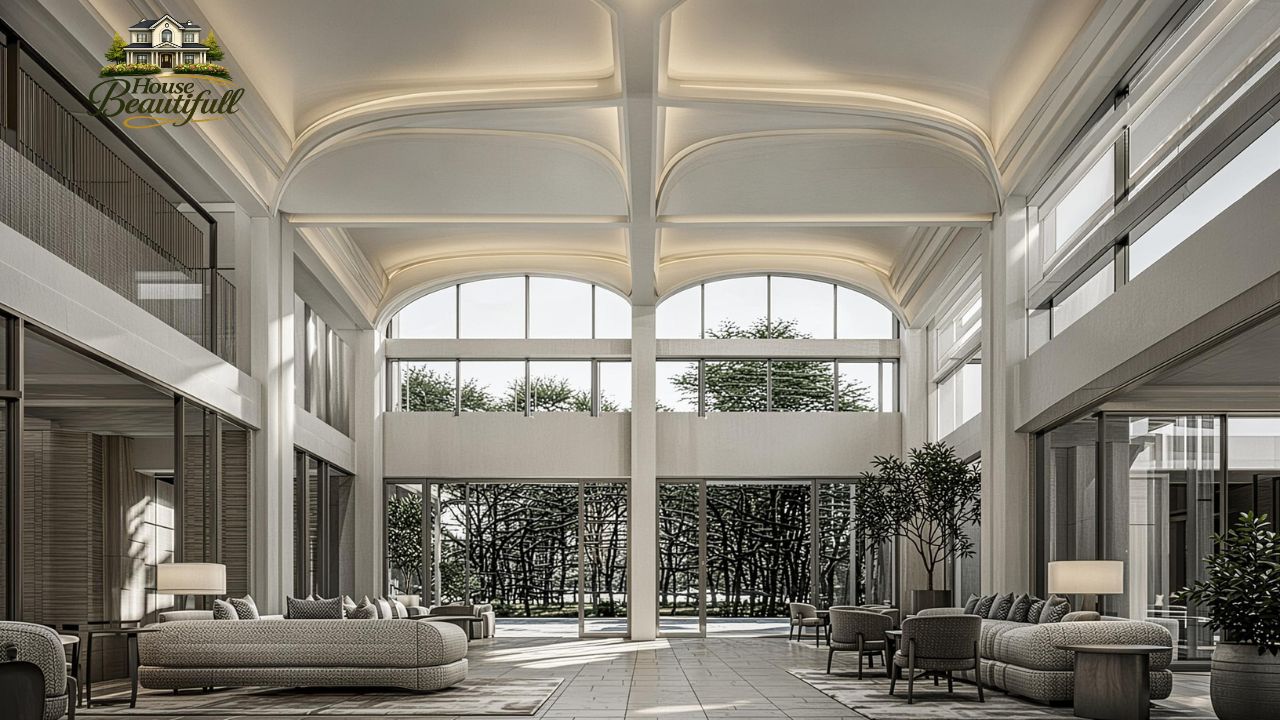
Groin Vault
- Two barrel vaults intersecting
- Creates a cross pattern
- Complex and visually striking
Shed Vault
- Single slope in one direction
- Modern and minimalist
- Works well in contemporary homes
Dome Vault
- Circular, dome-like shape
- Adds grandeur and luxury
- Often used in entryways
Benefits of a Vaulted Ceiling
1. Creates a Sense of Space
A vaulted ceiling makes even a small room feel significantly larger. This is especially useful in compact homes.
2. Enhances Natural Light
Higher ceilings allow for:
- Larger windows
- Skylights
- Better daylight distribution
3. Improves Air Circulation
Warm air rises, which helps:
- Maintain comfort
- Reduce stuffiness
4. Adds Property Value
Homes with vaulted ceilings often:
- Sell faster
- Command higher prices
5. Aesthetic Appeal
Let’s be honest—this is the biggest reason. A vaulted ceiling simply looks stunning.
Drawbacks You Should Consider
1. Higher Energy Costs
Heating and cooling become less efficient due to increased volume.
2. Construction Complexity
Building a vaulted ceiling requires:
- Structural changes
- Engineering expertise
3. Maintenance Challenges
Cleaning:
- High windows
- Ceiling fans
can be difficult.
4. Noise Echo
Large open spaces may:
- Amplify sound
- Reduce acoustic comfort
That said, many homeowners feel the benefits outweigh these drawbacks.
Vaulted Ceiling Design Ideas

Rustic Charm with Wooden Beams
Exposed beams create:
- Warmth
- Texture
- Character
Perfect for farmhouse-style homes.
Minimalist White Vault
- Clean lines
- Neutral tones
- Scandinavian feel
Skylight Integration
Add skylights to:
- Maximize daylight
- Reduce electricity use
Industrial Style
- Metal beams
- Concrete textures
- Open ductwork
Cozy Contrast Design
Pair a high ceiling with:
- Warm lighting
- Soft furnishings
This balances openness with comfort.
Lighting and Décor Tips
Lighting a vaulted ceiling isn’t just about brightness—it’s about balance.
Best Lighting Options
- Pendant lights
- Chandeliers
- Recessed lighting
- Track lighting
Pro Tips
- Use layered lighting
- Add dimmers for flexibility
- Highlight architectural features
Décor Ideas
- Tall curtains
- Statement art pieces
- Vertical shelving
Cost Breakdown and Budget Planning
Here’s a realistic look at what you might spend.
Average Costs
| Component | Estimated Cost |
|---|---|
| Construction | $10,000–$25,000 |
| Structural changes | $5,000–$15,000 |
| Insulation | $2,000–$6,000 |
| Lighting fixtures | $500–$5,000 |
Factors Affecting Cost
- Roof structure
- Home size
- Location
- Materials used
Budget Tip
If you’re renovating, expect higher costs compared to building new.
Construction and Structural Considerations
Key Structural Elements
- Rafters
- Ridge beam
- Load-bearing walls
Important Notes
- You may need an engineer
- Roof support must be reinforced
- Insulation is critical
Safety First
Never attempt structural changes without:
- Professional guidance
- Proper permits
Personal Background: Architects Behind the Trend
Vaulted ceilings aren’t new—they date back centuries.
Historical Roots
- Used in Roman architecture
- Popular in Gothic cathedrals
Modern Revival
Architects in the 20th century brought the vaulted ceiling into residential homes.
Influential Figures
- Frank Lloyd Wright emphasized open spaces
- Contemporary designers use vaulted ceilings for modern aesthetics
Financial Insight
Homes with vaulted ceilings often:
- Increase resale value by 5–20%
- Appeal to luxury buyers
This makes them not just a design choice—but an investment.
Maintenance and Long-Term Care
Cleaning Tips
- Use extendable tools
- Hire professionals for high areas
Energy Efficiency
- Install ceiling fans
- Use proper insulation
Repairs
- Check for cracks
- Inspect beams regularly
FAQs
What is the main purpose of a vaulted ceiling?
A vaulted ceiling increases space, enhances light, and improves aesthetics.
Is a vaulted ceiling expensive?
Yes, it can cost significantly more due to structural changes and materials.
Can you add a vaulted ceiling to an existing home?
Yes, but it requires major renovations and professional expertise.
Does a vaulted ceiling increase home value?
In most cases, yes—it adds visual appeal and market desirability.
Are vaulted ceilings energy efficient?
They can be less efficient unless properly insulated and ventilated.
What rooms are best for vaulted ceilings?
Living rooms, kitchens, and master bedrooms benefit the most.
Do vaulted ceilings make rooms colder?
Heat rises, so without proper insulation, they can feel cooler.
What lighting works best?
Pendant lights, chandeliers, and recessed lighting are ideal.
Conclusion
A vaulted ceiling isn’t just a design feature—it’s an experience. It changes how your home feels, how light moves through it, and even how people react when they walk in. While it comes with challenges like higher costs and maintenance, the payoff in beauty and value is hard to ignore.
If you’re dreaming of a space that feels open, elegant, and truly unique, a vaulted ceiling might be exactly what your home needs.