Introduction
What if your dream home didn’t come with a massive mortgage, endless maintenance, or wasted space? That’s exactly why prefab tiny homes are quietly revolutionizing how people think about living.
Over the past decade, more homeowners, travelers, and even retirees have started embracing smaller, smarter spaces. And honestly, it makes sense. Rising housing costs, environmental concerns, and a desire for simpler living are pushing people toward alternatives that feel both practical and freeing. Prefab tiny homes sit right at the center of this shift—they’re efficient, stylish, and surprisingly comfortable.

But here’s the thing: while they look charming on Instagram, there’s a lot more to consider before making the leap. Costs, zoning laws, design choices—each detail matters. This guide breaks it all down in a way that actually helps you decide if this lifestyle fits you.
Table of Contents
What Are Prefab Tiny Homes?
Types of Prefab Tiny Homes
Benefits of Prefab Tiny Homes
Challenges and Limitations
Design Ideas for Prefab Tiny Homes
Cost Breakdown and Budget Planning
Buying vs Building Prefab Tiny Homes
Legal and Zoning Considerations
Personal Background: The Rise of Tiny Home Builders
Maintenance and Long-Term Living Tips
FAQs
Conclusion
What Are Prefab Tiny Homes?
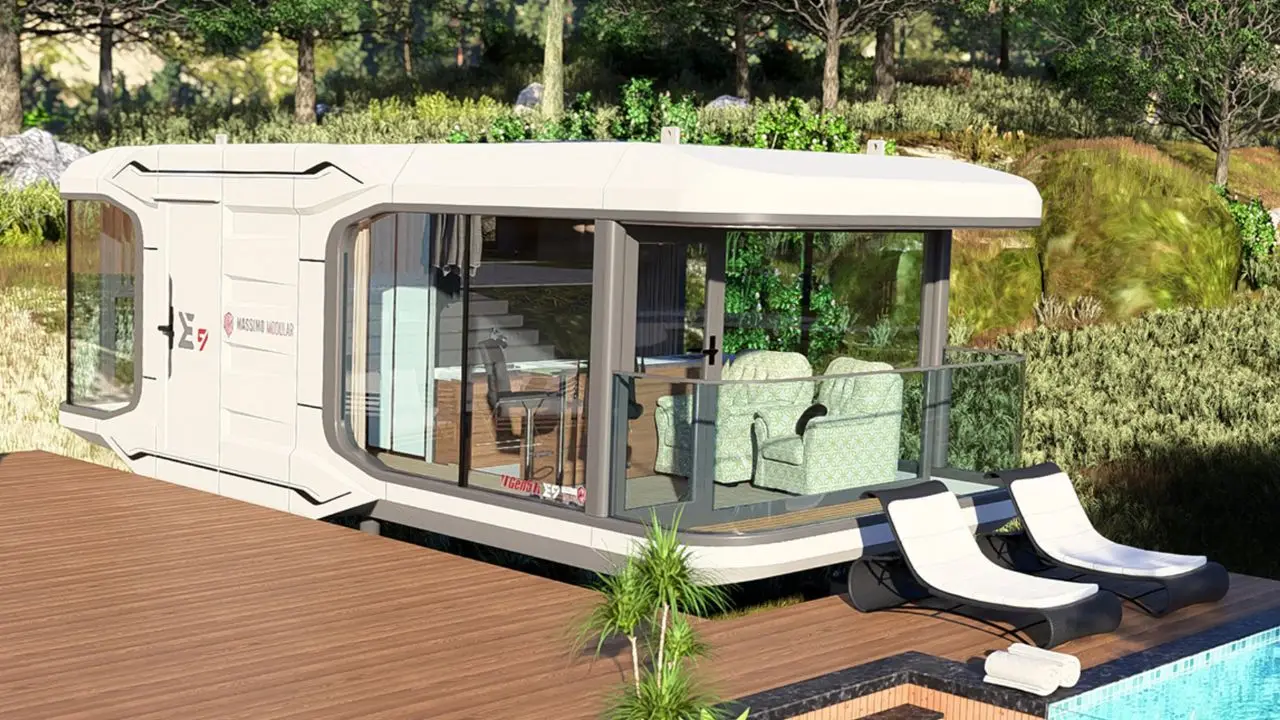
Let’s keep it simple. Prefab tiny homes are small houses—typically under 400 square feet—that are built off-site in a factory and then delivered to your location.
Definition
Prefab (short for prefabricated) means the home is constructed in sections or modules before being assembled on-site.
Key Features
- Compact living space (100–400 sq ft)
- Factory-built for efficiency
- Faster construction timelines
- Often customizable layouts
Unlike traditional homes, prefab tiny homes are designed to maximize every inch of space. Think hidden storage, multi-use furniture, and smart layouts.
Real-Life Example
A couple in California downsized from a 2,000 sq ft home to a 320 sq ft prefab unit. Their monthly expenses dropped by nearly 60%, and they reported feeling less stressed and more financially secure.
Types of Prefab Tiny Homes
Not all prefab homes are the same. Choosing the right type depends on your lifestyle.
Tiny Homes on Wheels (THOW)
- Built on trailers
- Fully mobile
- Ideal for travelers
Modular Tiny Homes
- Delivered in sections
- Assembled on-site
- More permanent
Panelized Homes
- Walls and components delivered separately
- Requires more assembly
Container Homes
- Made from shipping containers
- Durable and modern
Benefits of Prefab Tiny Homes
1. Affordability
Prefab tiny homes are significantly cheaper than traditional houses.
- Average cost: $20,000–$100,000
- No massive mortgage
2. Faster Construction
Most prefab homes are ready in weeks, not months.
3. Eco-Friendly Living
- Less material waste
- Lower energy consumption
4. Minimal Maintenance
Smaller space = fewer things to fix.
5. Freedom and Flexibility
Especially with mobile units, you can:
- Travel
- Relocate easily
Challenges and Limitations
1. Limited Space
Living in a tiny home requires:
- Downsizing belongings
- Smart organization
2. Zoning Laws
Some areas restrict:
- Tiny homes
- Mobile living
3. Financing Issues
Banks may:
- Not offer traditional mortgages
4. Storage Constraints
You’ll need creative solutions for everyday items.
Design Ideas for Prefab Tiny Homes
Open Floor Plans
Make the space feel larger and more breathable.

Loft Bedrooms
Utilize vertical space efficiently.
Multi-Functional Furniture
- Sofa beds
- Foldable tables
Large Windows
Bring in natural light and make interiors feel bigger.
Smart Storage Solutions
- Under-bed storage
- Wall-mounted shelves
Cost Breakdown and Budget Planning
Here’s what you should realistically expect.
Average Cost Table
| Item | Cost Range |
|---|---|
| Base unit | $20,000–$80,000 |
| Custom upgrades | $5,000–$30,000 |
| Land | Varies widely |
| Utilities setup | $2,000–$10,000 |
| Permits | $500–$5,000 |
Hidden Costs
- Transportation fees
- Foundation setup
- Insurance
Budget Tip
Always keep a 10–20% buffer for unexpected expenses.
Buying vs Building Prefab Tiny Homes
Buying Ready-Made
Pros:
- Faster move-in
- Less stress
Cons:
- Limited customization

Building Custom
Pros:
- Full control over design
- Personalized features
Cons:
- Higher cost
- Longer timeline
Legal and Zoning Considerations
This is where many people get stuck.
Common Restrictions
- Minimum square footage laws
- Parking regulations
- Utility requirements
Tips
- Check local building codes
- Consult a zoning expert
- Look for tiny-home-friendly communities
Personal Background: The Rise of Tiny Home Builders
The prefab tiny home movement didn’t happen overnight.
Early Beginnings
It gained traction after the 2008 financial crisis when people started seeking affordable housing alternatives.
Industry Growth
Today, the global prefab housing market is worth billions.
Notable Trends
- Luxury tiny homes
- Off-grid living solutions
- Smart home integration
Financial Insights
Successful builders and companies in this space have:
- Scaled rapidly
- Attracted eco-conscious buyers
Some top builders reportedly generate millions annually due to rising demand.
Maintenance and Long-Term Living Tips
Regular Maintenance
- Inspect roofing
- Check plumbing
Energy Efficiency
- Install solar panels
- Use energy-efficient appliances
Organization Tips
- Declutter regularly
- Use vertical storage
FAQs
Are prefab tiny homes durable?
Yes, they are built with high-quality materials and often meet strict building standards.
How long do prefab tiny homes last?
With proper maintenance, they can last 30–50 years or more.
Can prefab tiny homes be financed?
Yes, but options may include personal loans or RV loans instead of mortgages.
Do prefab tiny homes require land?
Yes, unless you choose a mobile version.
Are prefab tiny homes safe?
Absolutely, especially when built to code.
Can you live in prefab tiny homes full-time?
Yes, many people do, but zoning laws must allow it.
Do prefab tiny homes appreciate in value?
Usually not like traditional homes, but land value can increase.
Are they suitable for families?
They can be, but space limitations make them better for small households.
Conclusion
Prefab tiny homes are more than just a trend—they represent a shift in how we think about living. Smaller spaces, smarter designs, and a focus on what truly matters are redefining modern housing.
For some, it’s about saving money. For others, it’s about freedom or sustainability. Whatever your reason, one thing is clear: prefab tiny homes offer a lifestyle that’s simple, intentional, and surprisingly fulfilling.