
Introduction
A house can look perfect on paper and still feel completely wrong when you live in it. That’s where custom home renovations come in—they turn a generic space into something that actually fits your life, not just a floor plan.
Whether you’re tired of awkward layouts, outdated finishes, or wasted space, the right renovation can completely reshape how your home works. This isn’t just about aesthetics—it’s about function, comfort, and long-term value.
But here’s the reality: most homeowners approach renovations emotionally instead of strategically. That’s why budgets explode, timelines drag, and results disappoint. If you want to do this right, you need a plan grounded in logic, not Pinterest dreams.

This guide breaks down exactly how to approach custom home renovations like a professional—so you get real results, not expensive regrets.
What Are Custom Home Renovations?
Custom home renovations are tailored upgrades designed specifically around your needs, lifestyle, and property—not cookie-cutter solutions copied from trends.
Unlike standard remodeling, which often follows pre-set templates, custom work focuses on:
- Personalized layouts
- Unique design elements
- Functional improvements
- Long-term usability
After all, what works for someone else’s home might be completely wrong for yours.

Most people confuse renovation with decoration. Painting walls and swapping furniture isn’t transformation—it’s surface-level change. True customization means altering how the space functions.
If your kitchen workflow is inefficient, or your bedroom lacks storage, aesthetics won’t fix that. Structure will.
Why Custom Home Renovations Matter More Than You Think
Function Over Looks
A beautiful home that doesn’t work is a liability. The real goal of custom home renovations is solving problems:
- Poor space utilization
- Lack of storage
- Bad lighting
- Inefficient layouts
Design should follow function—not the other way around.
Increasing Property Value
Done right, renovations can significantly boost resale value. But not all upgrades are equal.
High-impact areas include:
- Kitchens
- Bathrooms
- Open living spaces
- Energy efficiency upgrades
Random upgrades don’t add value. Strategic ones do.
Lifestyle Alignment
Your home should match how you live today—not how the builder imagined years ago.
Examples:
- Remote work → home office redesign
- Growing family → expanded living space
- Aging homeowners → accessibility upgrades
This is where custom home renovations outperform generic remodeling.
Planning Custom Home Renovations the Smart Way

Define the Real Problem
Most people jump straight to solutions. That’s a mistake.
Ask yourself:
- What’s actually not working?
- Where do daily frustrations happen?
- What feels inefficient?
Fix the problem—not just the appearance.
Set a Realistic Budget
Here’s the truth: you will spend more than you think.
Break your budget into:
- Construction costs
- Materials
- Labor
- Contingency (10–20%)
If you don’t plan for surprises, they’ll destroy your timeline.
Prioritize Impact Areas
Don’t try to renovate everything at once. Focus on areas that deliver the highest return:
- Kitchen
- Bathroom
- Living space
- Storage solutions
This is where custom home renovations deliver maximum value.
Design Trends That Actually Make Sense
Open-Concept Living
Removing unnecessary walls creates:
- Better natural light
- Improved flow
- Multi-functional spaces
But don’t blindly follow trends. Open layouts work best when your lifestyle supports them.

Smart Storage Solutions
Clutter kills functionality.
Smart upgrades include:
- Built-in shelving
- Hidden cabinets
- Multi-use furniture
Good storage isn’t optional—it’s essential.
Energy Efficiency Upgrades
Modern custom home renovations often focus on:
- Insulation improvements
- Energy-efficient windows
- Smart home systems
These reduce long-term costs and increase property appeal.
The Real Cost of Custom Home Renovations
Let’s be blunt: renovations are expensive.
Average Cost Breakdown
- Kitchen remodel: $10,000–$50,000+
- Bathroom remodel: $5,000–$25,000+
- Whole-home renovation: $50,000–$200,000+
Costs vary based on:
- Location
- Materials
- Labor
- Complexity
Where People Waste Money
Most overspending comes from:
- Last-minute changes
- Poor planning
- Cheap contractors
- Trend-based decisions
If you’re constantly changing your mind, your budget will explode.
Common Mistakes to Avoid
Chasing Trends Instead of Needs
Trends fade. Your daily routine doesn’t.
Don’t build your home around Instagram aesthetics.
Hiring the Cheapest Contractor
Cheap usually means:
- Poor quality
- Delays
- Hidden costs
You’re not saving money—you’re postponing problems.
Ignoring Permits and Regulations
Skipping permits can:
- Lead to fines
- Affect resale
- Cause legal issues
Always follow local regulations.
How to Choose the Right Contractor
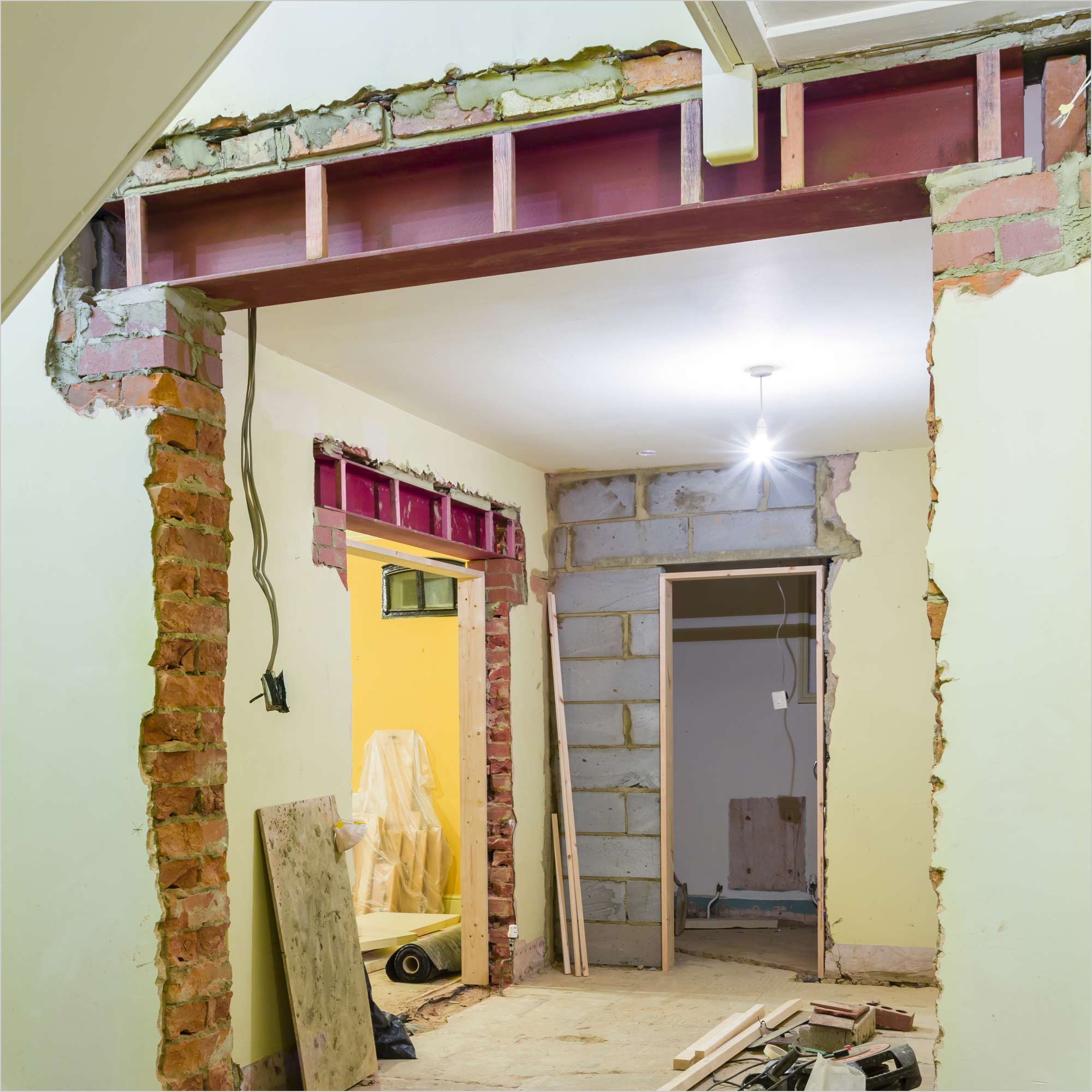
Choosing the wrong contractor can ruin your entire project.
What to Look For
- Proven experience
- Verified portfolio
- Transparent pricing
- Strong communication
Questions to Ask
- Can you show past projects?
- What’s the timeline?
- What happens if costs increase?
Professional contractors don’t dodge questions.
Timeline Expectations: Stop Being Unrealistic
Renovations take time. Always longer than expected.
Typical timelines:
- Small remodel: 2–4 weeks
- Kitchen: 6–12 weeks
- Full renovation: 3–6 months
Add buffer time. Always.
Custom Home Renovations for Small Spaces
Small homes benefit the most from customization.
Smart Strategies
- Vertical storage
- Multi-purpose rooms
- Open layouts
- Light color palettes
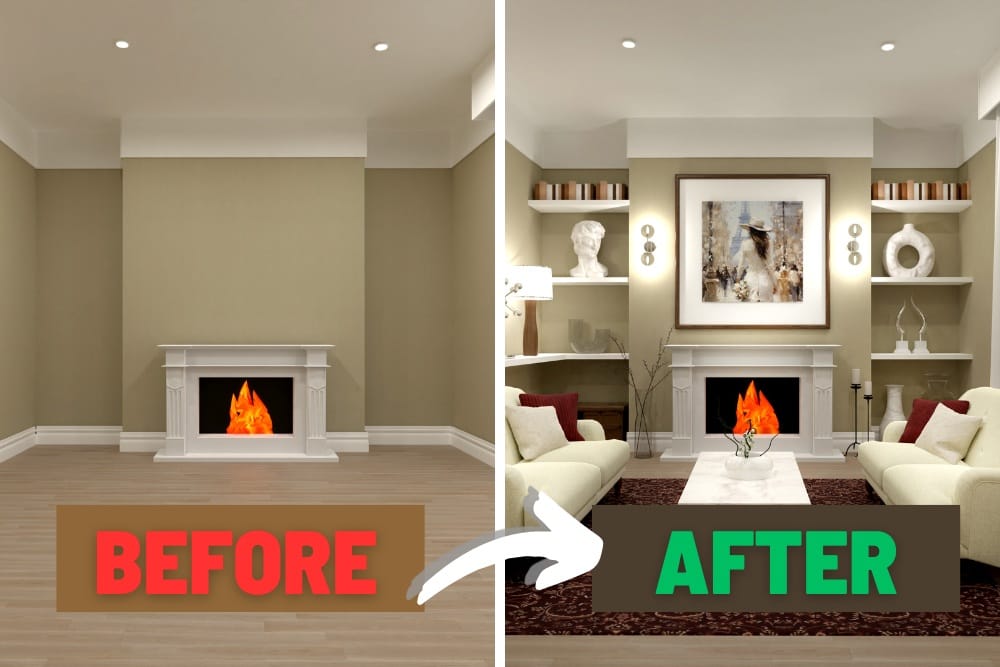
Every inch matters. Poor design wastes space you can’t afford to lose.
Custom Home Renovations for Luxury Homes
Luxury renovations focus on experience, not just function.
High-End Features
- Smart home automation
- Custom lighting systems
- Premium materials
- Spa-style bathrooms
Here, detail matters more than size.
Balancing Aesthetics and Functionality
Most homeowners lean too far toward looks.
A good renovation balances:
- Visual appeal
- Practical usability
- Long-term durability
If something looks great but breaks easily or is hard to maintain—it’s a bad investment.
When to DIY vs Hire Professionals

DIY Makes Sense For:
- Painting
- Minor decor changes
- Simple installations
Hire Professionals For:
- Electrical work
- Structural changes
- Plumbing
- Major renovations
Trying to save money in complex areas often costs more later.
FAQs
Frequently Asked Questions
How long do custom home renovations usually take?
It depends on the project size, but most take anywhere from a few weeks to several months.
Are custom home renovations worth the investment?
Yes—if done strategically. They improve both lifestyle and property value.
How do I avoid going over budget?
Plan carefully, avoid last-minute changes, and include a contingency fund.
Can I live in my house during renovations?
Sometimes, but for major projects, it’s often impractical.
What adds the most value in renovations?
Kitchens, bathrooms, and open living spaces typically offer the best return.
Do I need permits for renovations?
Yes, for most structural or major changes.
How do I choose the right design?
Focus on your lifestyle needs, not trends.
What is the biggest renovation mistake?
Poor planning and hiring the wrong contractor.
Conclusion
If you approach custom home renovations casually, you’ll waste money and regret the results. Most homeowners underestimate the complexity and overestimate their planning.
The difference between a successful renovation and a disaster comes down to one thing: clarity.
Know what you want. Understand why you want it. Execute with discipline.
Do that, and your home won’t just look better—it will work better, feel better, and hold real long-term value.