

Introduction
Your home isn’t just a place you live—it’s a reflection of how you think, feel, and function daily. That’s exactly where drhomey interior design stands out: it doesn’t just decorate spaces, it transforms them into experiences.
If you’ve ever felt like your home looks “fine” but not inspiring, you’re not alone. Most people settle for average layouts, random furniture choices, and trend-chasing instead of creating a cohesive space that actually works for them.
This matters because your environment directly impacts your productivity, mood, and even your relationships. A well-designed space isn’t a luxury—it’s leverage.
In this guide, you’ll get a practical, no-fluff breakdown of how drhomey interior design works, what makes it effective, and how to apply it in your own home without wasting money on bad decisions.

What Is drhomey interior design?
drhomey interior design is a modern design approach that blends functionality, aesthetics, and personalization into one cohesive system. It’s not about copying Pinterest trends—it’s about designing spaces that actually serve your lifestyle.
At its core, it focuses on:
- Smart space utilization
- Balanced color schemes
- Minimal clutter with maximum impact
- Personal identity in design
Unlike traditional interior design that often prioritizes looks over usability, this approach forces both to coexist.
Why drhomey interior design Works Better Than Traditional Approaches
Most homes fail for one reason: they are designed without intention.
Here’s what drhomey interior design does differently:
Functional First, Aesthetic Second
Instead of asking, “Does it look good?” the real question becomes:
“Does it work for how you live?”
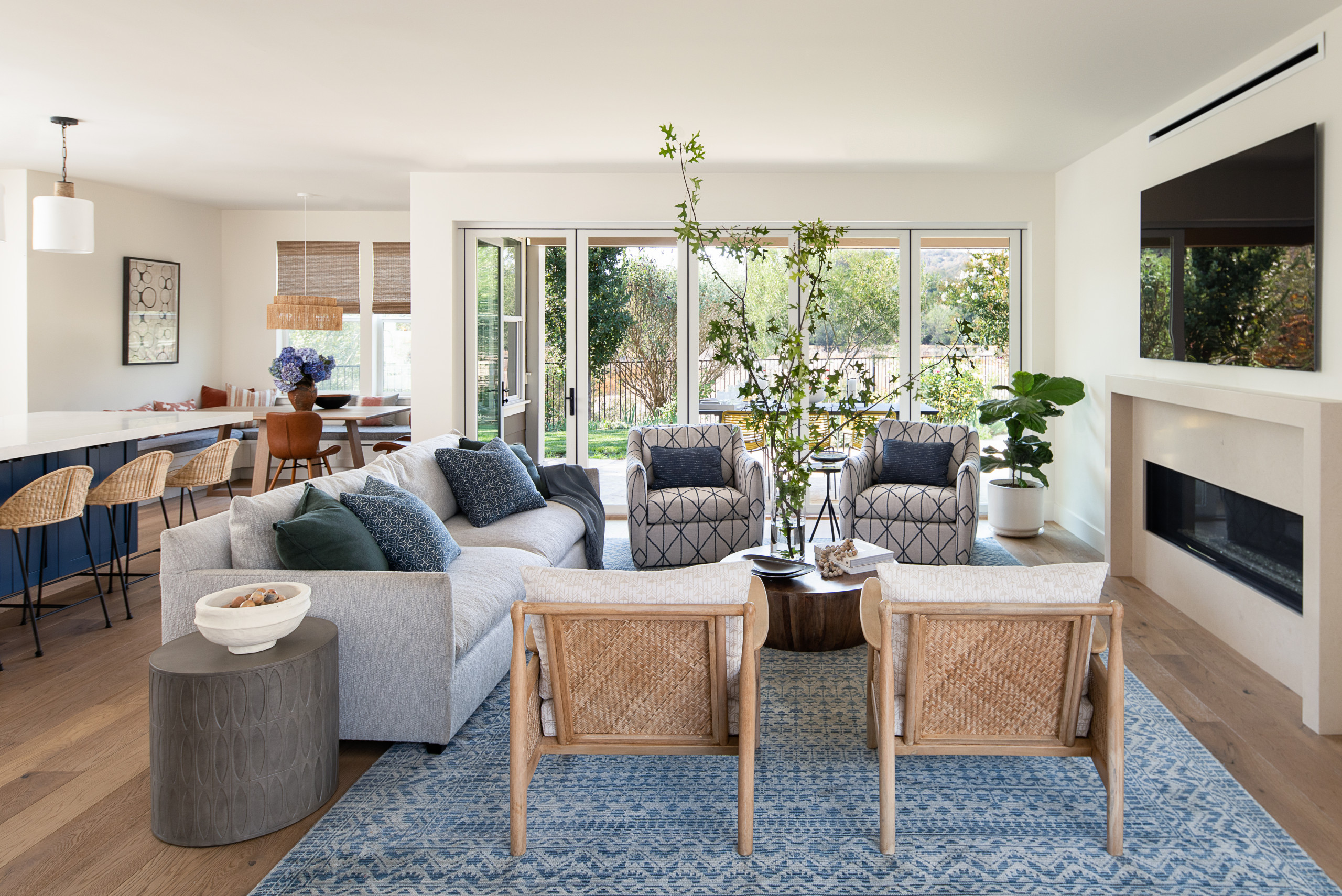
That means:
- Furniture placement supports daily routines
- Lighting matches activities
- Storage solves real problems
Personalization Over Trends
Trends fade. Bad design decisions stay.
This approach focuses on:
- Your habits
- Your taste
- Your space constraints
Cohesion Across Spaces
Random design choices create visual noise.
drhomey interior design ensures:
- Consistent color flow
- Matching textures
- Unified design language

Core Principles of drhomey interior design
Space Optimization
Every square foot should have a purpose.
Practical rules:
- Avoid oversized furniture in small rooms
- Use vertical storage
- Keep walking paths clear
Color Psychology
Colors aren’t decoration—they influence behavior.
Examples:
- Neutral tones = calm and spacious feel
- Dark tones = depth and luxury
- Warm tones = energy and comfort
Lighting Strategy
Bad lighting destroys good design.
Use layers:
- Ambient (general lighting)
- Task (focused lighting)
- Accent (highlight features)
How to Apply drhomey interior design in Your Home

Step 1: Audit Your Space
Before buying anything, analyze:
- What feels cluttered?
- What doesn’t get used?
- What annoys you daily?
Fix problems first—don’t decorate over them.
Step 2: Define a Clear Style Direction
Pick ONE direction:
- Minimalist
- Modern luxury
- Scandinavian
- Industrial
Mixing styles without control leads to chaos.
Step 3: Choose a Color System
Stick to:
- 60% base color
- 30% secondary color
- 10% accent
This keeps your design balanced.

drhomey interior design for Small Spaces
Small spaces don’t need more items—they need smarter decisions.
What to Do
- Use multi-functional furniture
- Add mirrors to create depth
- Keep color palettes light
What to Avoid
- Bulky sofas
- Dark overcrowded corners
- Too many decorative items
The goal is simple: make the space feel bigger than it is.
Living Room Transformation Strategy
Your living room is the most visible space—so mistakes here are costly.
Layout Optimization
- Center furniture around a focal point
- Maintain balance (don’t overcrowd one side)
- Keep conversation flow natural
Key Elements
- Statement sofa
- Functional coffee table
- Layered lighting
Common Mistake
Buying furniture first, then figuring out layout.
That’s backwards—and expensive.
Bedroom Design That Actually Improves Sleep
Most bedrooms look good but function poorly.
Essentials of drhomey interior design for Bedrooms
- Neutral calming tones
- Minimal distractions
- Soft lighting
Layout Tips
- Bed should be the focal point
- Avoid clutter near sleeping area
- Use hidden storage
Your bedroom should feel like a reset button—not a storage unit.

Budget-Friendly drhomey interior design Tips
You don’t need a massive budget—you need better decisions.
High-Impact Low-Cost Changes
- Change lighting fixtures
- Rearrange furniture
- Add texture (rugs, cushions)
Where to Spend
- Sofa
- Mattress
- Lighting
Where to Save
- Decor accessories
- Wall art (DIY works)
- Trend-based items
Common Mistakes to Avoid
Let’s be blunt—most people mess this up.
1. Overdecorating
More items ≠ better design
It creates clutter and stress.
2. Ignoring Scale
Furniture too big or too small ruins proportions.
3. Copying Trends Blindly
What works online may fail in your space.
4. Poor Lighting Choices
One ceiling light isn’t enough. Never was.
Drhomey interior design and Modern Lifestyle Needs

Today’s homes need to adapt to:
- Remote work
- Multi-use spaces
- Smart technology
This approach integrates:
- Workspaces without sacrificing aesthetics
- Flexible layouts
- Tech-friendly design
Your home should evolve with your lifestyle—not limit it.
FAQ
Frequently Asked Questions
What makes drhomey interior design different?
It prioritizes function and personalization over trends, ensuring your space works for your real life—not just looks good.
Is drhomey interior design suitable for small homes?
Yes. In fact, it works better in small spaces because it focuses on efficiency and smart layout decisions.
How many times should I redesign my home?
You shouldn’t “redesign” often—just refine. Good design evolves, not resets.
Can I apply drhomey interior design on a low budget?
Absolutely. The method is about decision-making, not spending. Rearranging alone can make a huge difference.
What colors work best in drhomey interior design?
Neutral bases with controlled accents work best because they create balance and flexibility.
Do I need a professional designer?
Not necessarily. If you understand the principles, you can execute most of it yourself.
How long does it take to see results?
You can see immediate improvement just by fixing layout and lighting. Full transformation depends on budget and scope.
Is minimalism required for this style?
No. Minimalism helps, but the real goal is clarity—not emptiness.
Conclusion
If you strip away all the hype, drhomey interior design comes down to one thing: intentional living through better spaces.
Most people waste money chasing aesthetics without fixing underlying problems. That’s why their homes never feel right, no matter how much they spend.