Introduction
Step into any home, and you’ll instantly feel something—comfort, chaos, warmth, or even tension. The inside of a house isn’t just walls and furniture; it’s a living system that shapes how people think, relax, and function every day.
Most people underestimate how much their surroundings affect their mood, productivity, and even relationships. A poorly designed layout can drain energy, while a well-structured space can make life smoother without you even realizing it.

This topic matters because your environment is either working for you or against you. If the inside of a house is thoughtfully designed, it becomes a place that supports your lifestyle instead of complicating it.
Understanding the Inside of a House
The inside of a house refers to the complete internal structure and arrangement of living spaces, including rooms, layout, design elements, and functionality.
It’s not just about decoration—it’s about how everything connects:
- Flow between rooms
- Natural light distribution
- Space efficiency
- Comfort and usability

A well-designed interior doesn’t happen by accident. It’s a combination of planning, psychology, and practical decision-making.
Core Elements That Define the Inside of a House
Layout and Space Planning
The layout is the backbone. If it’s wrong, everything else struggles.
There are three common layout styles:
- Open plan: Fewer walls, more flow
- Closed plan: Defined rooms for privacy
- Hybrid: Mix of both
Each has trade-offs. Open spaces feel bigger but can lack privacy. Closed layouts provide structure but can feel cramped.
Lighting: The Silent Influencer
Lighting is one of the most ignored yet powerful elements.

There are three types:
- Ambient (general light)
- Task (focused light)
- Accent (decorative light)
Poor lighting makes even expensive interiors look dull. Good lighting can make a basic setup feel premium.
Furniture and Functionality
Furniture should serve a purpose—not just fill space.
Ask yourself:
- Does it improve usability?
- Does it block movement?
- Is it proportional to the room?
Most people overcrowd rooms. That’s a mistake.
Room-by-Room Breakdown of the Inside of a House
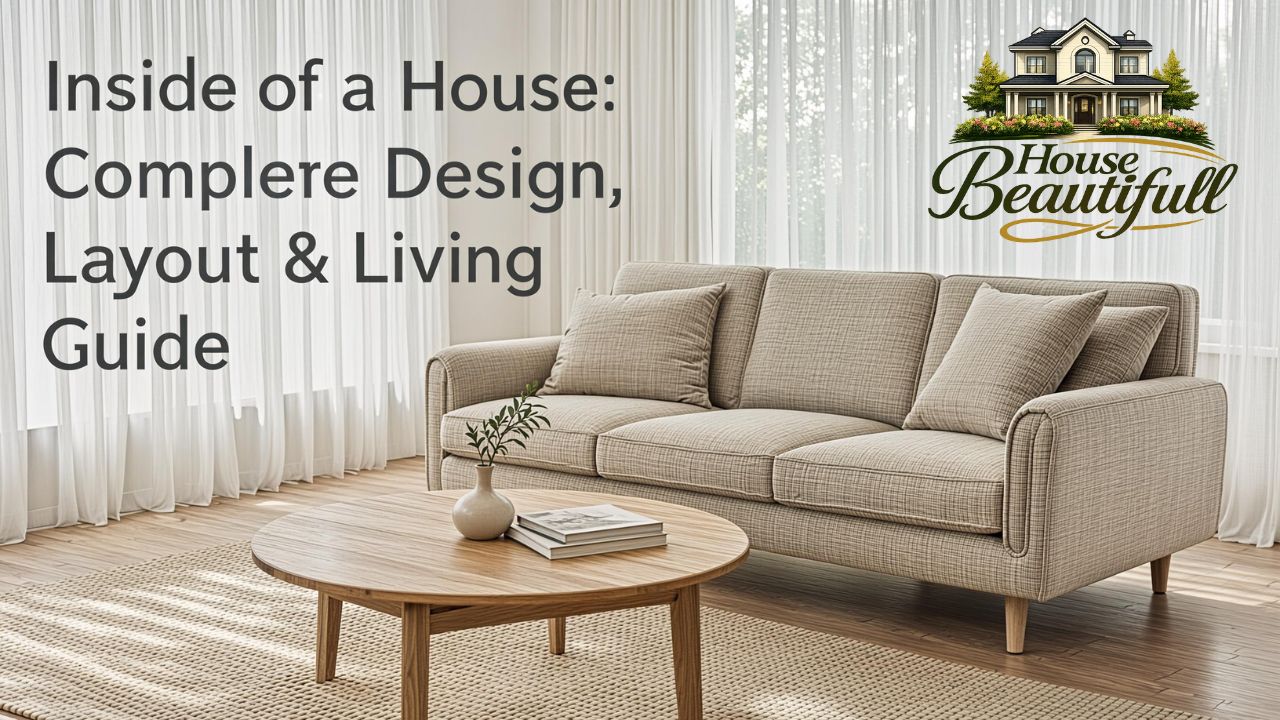
Living Room: The Social Core
This is where interaction happens.
Key priorities:
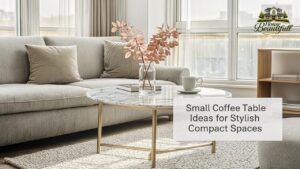
- Comfortable seating
- Clear focal point (TV, fireplace, or window)
- Easy movement

Avoid:
- Oversized sofas in small rooms
- Too many decorative items
- Poor lighting angles
Kitchen: Efficiency Over Looks
The kitchen is about workflow, not just aesthetics.
Focus on the work triangle:
- Sink
- Stove
- Refrigerator
If these are poorly placed, cooking becomes frustrating.
Bedroom: Rest and Recovery Zone
The inside of a house must support rest, and the bedroom plays a critical role.
Keep it simple:
- Neutral colors
- Minimal clutter
- Soft lighting
Avoid turning your bedroom into a workspace. That destroys sleep quality.
Bathroom: Clean, Functional, Smart
Bathrooms should prioritize:
- Hygiene
- Storage
- Ventilation
Small upgrades like better lighting and mirrors can completely change the feel.
Design Styles That Shape the Inside of a House

Minimalist Design
Less clutter, more clarity.
Benefits:
- Easier maintenance
- Better mental clarity
- Cleaner look
Modern Design
Focuses on:
- Straight lines
- Neutral palettes
- Functional furniture
Traditional Design
More detail, more warmth:
- Wood finishes
- Rich textures
- Classic furniture
Hybrid Style (Most Practical)
Mixing styles intelligently works best for most homes.
The Psychology Behind Interior Spaces
The inside of a house directly affects behavior.
Examples:
- Bright spaces increase energy
- Clutter increases stress
- Open layouts improve interaction

This isn’t theory—it’s observable reality.
Common Mistakes People Make
Let’s be blunt—most homes are poorly designed because of these mistakes:
1. Ignoring Function for Looks
People copy Pinterest instead of thinking practically.
2. Overcrowding Spaces
More furniture doesn’t mean better design.
3. Poor Lighting Decisions
Single ceiling light = bad idea.
4. No Storage Planning
Clutter builds up fast without systems.
5. No Flow Between Rooms
Disconnected spaces feel awkward.
How to Improve the Inside of a House (Actionable Steps)
If you want real improvement, follow this:

Step 1: Declutter Aggressively
If you don’t use it, remove it.
Step 2: Fix Lighting First
Upgrade bulbs, add layers of light.
Step 3: Rearrange Layout
Test different furniture placements.
Step 4: Add Functional Storage
Hidden storage > visible mess.
Step 5: Keep It Balanced
Not too empty, not too crowded.
Budget vs Premium Interiors
You don’t need luxury money to improve the inside of a house.
Budget Approach:
- Smart lighting
- Rearranging furniture
- DIY decor
Premium Approach:
- Custom furniture
- Architectural changes
- High-end materials
The difference is execution, not just money.
Technology Inside Modern Homes
Today’s interiors are evolving fast.
Smart features include:
- Automated lighting
- Smart thermostats
- Voice-controlled systems
These aren’t just luxury—they improve efficiency.
FAQ
Frequently Asked Questions
What defines the inside of a house?
It includes all interior spaces, layout, design elements, and functional systems that make a home livable.
How can I improve the inside of a house without spending much?
Focus on decluttering, rearranging furniture, and upgrading lighting.
What is the most important part of home interior design?
Layout and functionality. Everything else comes after.
How often should interiors be updated?
Small updates yearly, major changes every 5–10 years.
Does lighting really make a big difference?
Yes. It can completely change how a space feels and functions.
What is the biggest mistake in home interiors?
Prioritizing looks over usability.
Is open-plan better than closed rooms?
Depends on lifestyle. Open is social; closed offers privacy.
How do I make a small house feel bigger?
Use light colors, mirrors, and minimal furniture.
Conclusion
The inside of a house is not just a physical space—it’s a system that shapes daily life. Most people get it wrong because they chase trends instead of focusing on function, flow, and comfort.
If you want real results, stop overcomplicating things. Focus on layout, lighting, and usability. Fix those, and everything else becomes easier.