Introduction
Walk into any room and you can feel it instantly—calm, creativity, warmth, elegance, or even chaos. That invisible energy often comes down to one thing: the interior design styles shaping the space. The way colors blend, furniture lines flow, and textures interact can completely transform how you experience your home.
Understanding interior design styles isn’t about following trends blindly. It’s about discovering what resonates with your personality, lifestyle, and daily routines. Whether you’re renovating an entire house or refreshing a single room, knowing the core characteristics of each style helps you make confident, cohesive choices.
Design is deeply personal. Your home should feel like a reflection of who you are—comfortable, functional, and beautiful. In this comprehensive guide, we’ll explore the most popular styles, break down their defining features, and help you decide which direction feels right for you.

What Are Interior Design Styles?
At their core, interior design styles are structured approaches to decorating and organizing spaces. Each style has distinct elements—color palettes, materials, furniture shapes, lighting choices, and decorative accents—that create a recognizable aesthetic.
While some styles have historical roots (like Victorian or Art Deco), others emerged from modern movements (like mid-century modern or contemporary). Over time, these styles evolved and blended, giving homeowners endless creative possibilities.
Choosing among different interior design styles isn’t about strict rules. It’s about understanding the framework so you can adapt it to your own space.
Modern Style: Clean Lines and Simplicity
Modern design originated in the early to mid-20th century and remains one of the most influential aesthetics today.
Key Characteristics
- Neutral color palettes (whites, blacks, grays)
- Clean, straight lines
- Minimal ornamentation
- Natural materials like wood and leather
- Open floor plans
Modern interiors prioritize function over decoration. Furniture often has sleek silhouettes with little to no detailing. Surfaces are uncluttered, and every item serves a purpose.
After embracing minimal decor and clean architectural details, the room feels balanced and intentional rather than busy.

This approach works beautifully in urban apartments and contemporary homes, especially when you want a calm, organized atmosphere.
Contemporary Style: Ever-Evolving Elegance
Many people confuse modern and contemporary design. While modern refers to a specific historical movement, contemporary design reflects what’s current and evolving.
Defining Features
- Soft neutral backgrounds
- Sculptural lighting fixtures
- Mixed materials (glass, metal, stone)
- Curved furniture lines
- Statement art pieces
Contemporary interiors feel polished but not rigid. They incorporate current trends while maintaining a timeless foundation.
Because contemporary design shifts with the times, it’s flexible. You can integrate new colors, textiles, or decor accents without losing the overall cohesion of the space.
Minimalist Design: Less, But Better
Minimalism is often misunderstood as cold or empty. In reality, it’s about clarity and intention.
Core Principles
- Decluttered spaces
- Limited color palette
- Functional furniture
- Quality over quantity
- Natural light emphasis
Minimalist homes remove excess to highlight what truly matters. Instead of filling shelves with decor, the design focuses on texture—linen fabrics, smooth wood finishes, matte ceramics.
In discussions about interior design styles, minimalism stands out for its emotional impact. It creates mental space, reduces stress, and supports mindful living.

When done correctly, minimalist spaces feel warm, not sterile.
Scandinavian Style: Cozy Simplicity
Originating in Nordic countries, Scandinavian design blends minimalism with comfort.
Hallmarks of Scandinavian Interiors
- Light color schemes
- Natural wood tones
- Functional layouts
- Cozy textiles (throws, rugs)
- Hygge-inspired warmth
The Scandinavian approach focuses on simplicity without sacrificing comfort. White walls reflect light during long winters, while layered textures add warmth.
This style works especially well in small spaces because it maximizes brightness and flow.
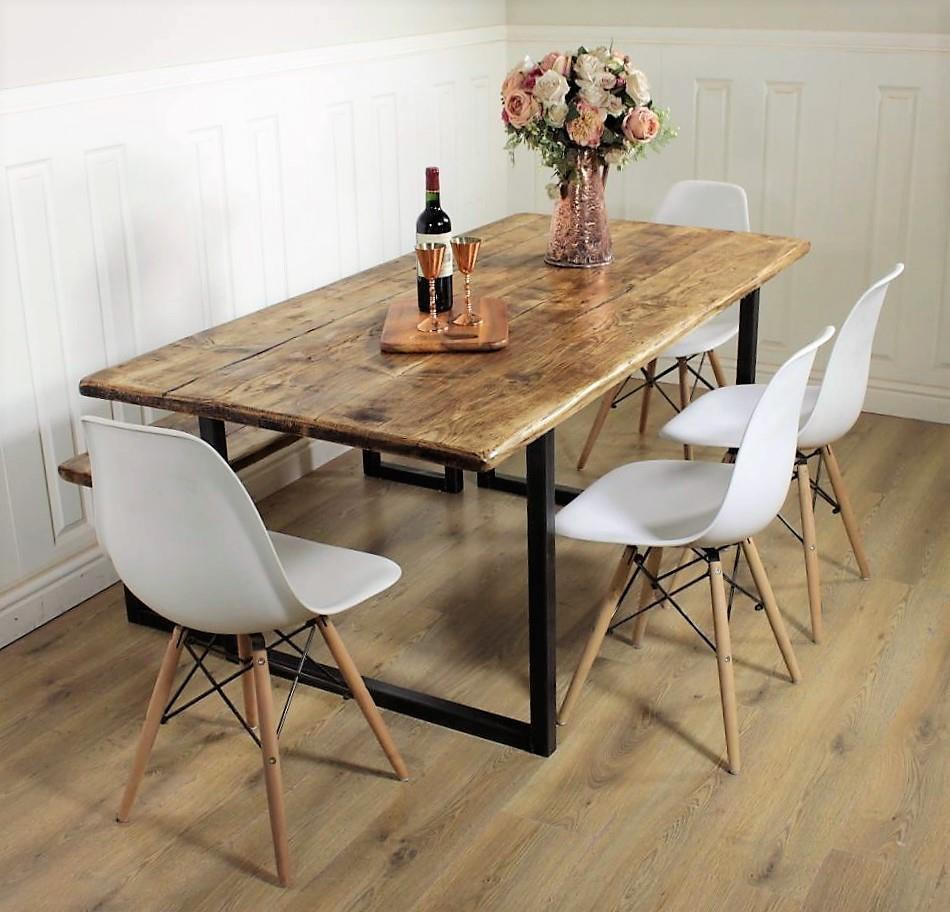
Industrial Style: Raw and Urban
Inspired by converted warehouses and lofts, industrial design celebrates raw materials.
Signature Elements
- Exposed brick walls
- Concrete floors
- Metal fixtures
- Open ceilings with visible beams
- Vintage or reclaimed furniture
Industrial interiors feel edgy and urban. Instead of hiding structural elements, they highlight them.
In larger spaces, industrial decor feels dramatic and bold. In smaller rooms, balance it with warm lighting and soft textiles to prevent it from feeling harsh.
Rustic Style: Natural and Timeless
Rustic design draws inspiration from nature and rural living.
What Defines Rustic Interiors?
- Stone fireplaces
- Reclaimed wood furniture
- Earthy color palettes
- Handmade decor
- Organic textures
Rustic spaces emphasize authenticity. Materials are often left unfinished to showcase their natural beauty.

Warm lighting and layered fabrics make rustic interiors feel inviting and grounded.
Farmhouse Style: Comfort Meets Charm
Farmhouse design combines rustic elements with soft, welcoming touches.
Distinctive Features
- Neutral tones with subtle pastels
- Shiplap walls
- Apron-front sinks
- Vintage-inspired decor
- Open shelving
Modern farmhouse has gained popularity for its blend of practicality and elegance. It feels homey without being outdated.
Bohemian Style: Creative and Free-Spirited
Bohemian interiors celebrate individuality and cultural influences.
Key Traits
- Layered patterns
- Vibrant colors
- Global textiles
- Eclectic furniture
- Indoor plants
Unlike structured interior design styles, bohemian decor thrives on artistic freedom. Mixing patterns and textures is encouraged.
To avoid visual chaos, anchor the space with a consistent color family or neutral base.
Mid-Century Modern: Retro Sophistication
Mid-century modern design, popular from the 1940s to 1960s, remains highly sought after.
Characteristics
- Tapered wooden legs
- Organic curves
- Bold accent colors
- Functional layouts
- Iconic furniture pieces
This style balances simplicity with playful shapes. It’s timeless, making it a favorite among homeowners who appreciate vintage flair.
Coastal Style: Breezy and Relaxed
Coastal design captures the essence of seaside living.
Coastal Interior Elements
- White and sandy neutrals
- Soft blues and seafoam greens
- Light wood finishes
- Natural fibers like rattan
- Airy curtains
Coastal interiors feel bright and open. They prioritize relaxation, often featuring comfortable seating and natural light.
In the world of interior design styles, coastal decor stands out for its effortless tranquility.

Luxury and Glam: Sophisticated Drama
Luxury design focuses on elegance, detail, and high-end finishes.
Luxury Style Features
- Rich fabrics (velvet, silk)
- Metallic accents (gold, brass)
- Statement lighting
- Marble surfaces
- Deep, dramatic colors
Glam interiors don’t shy away from bold choices. Layered textures and reflective surfaces create depth and visual interest.
How to Choose the Right Style for Your Home
Selecting from various interior design styles can feel overwhelming. Start by asking:
- How do you want your space to feel?
- What colors make you comfortable?
- Do you prefer simplicity or detail?
- How much maintenance are you willing to manage?
Create a mood board, collect inspiration photos, and identify recurring elements. You may discover you’re drawn to a hybrid approach—like Scandinavian minimalism with bohemian accents.
Your lifestyle matters just as much as aesthetics. A busy family home might prioritize durability, while a studio apartment may focus on multifunctional furniture.
Mixing Interior Design Styles Successfully
Blending styles can create a unique, personalized environment.
Tips for Harmonious Mixing
- Choose a dominant style.
- Use a consistent color palette.
- Repeat materials for cohesion.
- Balance bold elements with neutral space.
- Maintain proportion and scale.
When mixing interior design styles, the key is intention. Every piece should feel purposeful rather than random.
Common Mistakes to Avoid
Even beautifully inspired rooms can miss the mark.
- Overcrowding the space
- Ignoring lighting
- Mixing too many color schemes
- Choosing style over comfort
- Forgetting functionality
Thoughtful planning prevents costly redesigns later.
Frequently Asked Questions
What are the most popular interior design styles today?
Modern, contemporary, Scandinavian, farmhouse, and mid-century modern remain among the most sought-after styles due to their versatility and timeless appeal.
Can I combine two interior design styles in one room?
Yes. Choose one dominant style and use elements of another as accents. Keep colors and materials cohesive.
Which style is best for small apartments?
Scandinavian and minimalist styles work well because they emphasize light colors, functionality, and uncluttered layouts.
How do I know which style fits my personality?
Look at your wardrobe, favorite cafes, or travel destinations. Your preferences often reveal the aesthetic that feels most natural to you.
Is minimalist design suitable for families?
Absolutely. With smart storage solutions, minimalist homes can be both functional and family-friendly.
Are trends important when choosing a style?
Trends can inspire you, but long-term comfort and practicality should guide your final decisions.
How often should I update my interior style?
Major renovations don’t need frequent changes. Small decor updates every few years keep the space fresh.
Conclusion
Your home is more than walls and furniture—it’s a reflection of your story. Exploring interior design styles allows you to shape that story intentionally, creating spaces that feel aligned with who you are.
Whether you gravitate toward sleek modern lines, cozy Scandinavian warmth, rustic charm, or bold bohemian layers, the right style enhances both beauty and function. When thoughtfully chosen, your design decisions will support your daily life while expressing your personality in every corner of your home.