Introduction
There’s something deeply personal about stepping into a backyard that feels like an extension of your home. For many homeowners, robert mygardenandpatio represents more than a name—it reflects a philosophy of turning ordinary outdoor spaces into beautiful, livable environments.
Outdoor living has shifted from being a seasonal afterthought to a year-round lifestyle choice. Patios have become dining rooms under the stars. Gardens have evolved into calming retreats. And backyards now serve as gathering spaces for families, friends, and quiet reflection. Understanding how to design and use these spaces well can dramatically change the way you experience your home.
This guide explores the approach, principles, and practical advice associated with robert mygardenandpatio, offering real-world ideas that work for small yards, large estates, and everything in between.
The Vision Behind robert mygardenandpatio
At its core, robert mygardenandpatio emphasizes thoughtful outdoor living. Instead of chasing trends, the focus is on timeless design, usability, and comfort.
Outdoor spaces should feel:
- Intentional, not cluttered
- Functional, not purely decorative
- Personal, not generic
This philosophy balances structure with softness—hardscaping like stone and pavers paired with lush greenery and comfortable furnishings.
After all, a patio isn’t just concrete or tile. It’s where conversations unfold, children play, and summer evenings stretch long into the night.

Designing an Outdoor Space That Feels Like Home
Understanding Outdoor Living Zones
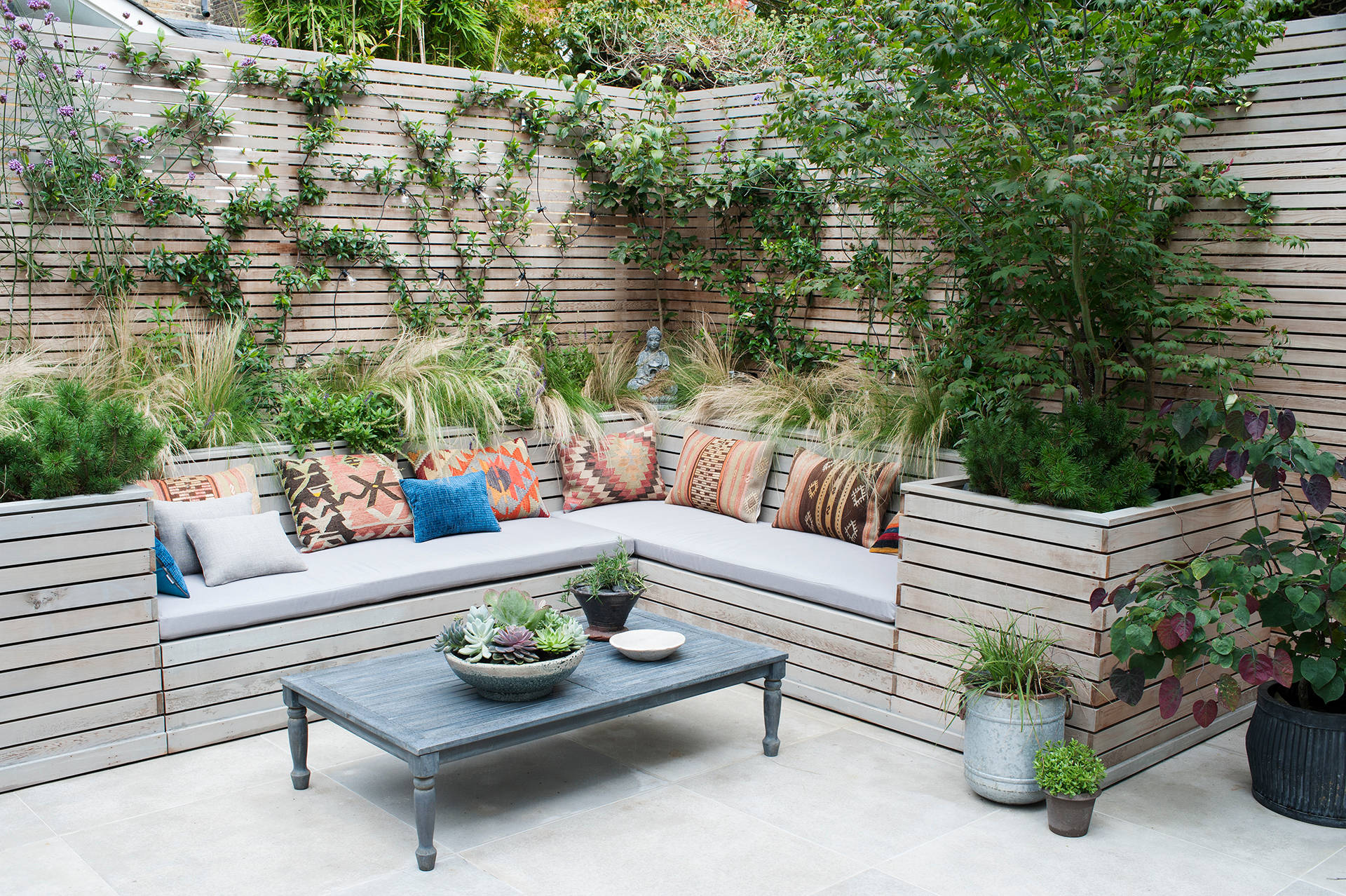
One of the most practical ideas associated with robert mygardenandpatio is dividing your yard into zones. Just as your home has rooms, your backyard can have defined areas.
Common outdoor zones include:
- Dining area – Table, chairs, overhead shade
- Lounge area – Sofas, fire pit, soft lighting
- Garden zone – Flower beds, raised planters
- Utility area – Storage, compost, grill station
Creating these zones doesn’t require a massive space. Even a small patio can feel dynamic when sections are subtly defined with rugs, planters, or changes in material.
Choosing the Right Patio Foundation
The foundation sets the tone for the entire outdoor area. Options include:
- Concrete slabs (clean and modern)
- Natural stone (organic and timeless)
- Brick pavers (classic charm)
- Composite decking (low maintenance)
The key principle often emphasized by robert mygardenandpatio is durability. Outdoor surfaces must withstand weather, foot traffic, and time without constant repair.
Smart Furniture Selection for Comfort and Longevity
Outdoor furniture isn’t just about aesthetics—it’s about resilience and comfort.
Materials That Last
Look for:
- Powder-coated aluminum
- Teak or treated hardwood
- All-weather wicker
- UV-resistant cushions
Investing in quality materials saves money long term. Cheap furniture often fades, cracks, or rusts within a season.

Proportion and Scale Matter
Oversized furniture can overwhelm small patios. Likewise, tiny chairs look lost in expansive yards. Measure carefully before purchasing.
A helpful rule:
- Leave at least 30–36 inches of walking space around tables and seating areas.
This creates comfort without crowding.

Garden Planning That Enhances the Patio
The garden should support the patio—not compete with it.
Layering for Visual Depth
Successful garden layouts often use three layers:
- Tall plants or shrubs at the back
- Mid-height flowers or ornamental grasses in the middle
- Low ground cover or edging plants at the front
This layered approach creates dimension and makes even narrow beds feel lush.
Seasonal Strategy
Plant choices should account for:
- Bloom cycles
- Maintenance needs
- Local climate
- Sun exposure
The robert mygardenandpatio approach encourages mixing perennials (long-term anchors) with seasonal annuals for color variety.
Lighting: The Overlooked Game-Changer
Lighting can transform a patio from functional to magical.

Types of Outdoor Lighting
- String lights for ambiance
- Lanterns for warmth
- Path lights for safety
- Wall sconces for structure
The secret is layering light just like you layer plants. Soft, indirect lighting creates atmosphere without harsh glare.
Small Backyard? Big Impact.
Not everyone has a sprawling estate—and that’s perfectly fine.
Vertical Design Solutions
When ground space is limited:
- Install wall planters
- Add trellises
- Use tiered plant stands
- Incorporate hanging baskets
Vertical gardening is frequently highlighted within robert mygardenandpatio principles because it multiplies usable space.
Multipurpose Furniture
Look for benches with storage, foldable tables, and stackable chairs. Flexibility is key in compact layouts.
Sustainable Outdoor Living
Environmental awareness is no longer optional—it’s essential.
Water-Wise Gardening
- Install drip irrigation
- Use mulch to retain moisture
- Choose drought-resistant plants
Responsible Material Choices
Opt for recycled composites, sustainably sourced wood, and energy-efficient lighting.
By integrating sustainability, robert mygardenandpatio reflects modern values while maintaining beauty.

Creating an Outdoor Entertainment Experience
Outdoor spaces today serve as entertainment hubs.
Essential Elements
- Grill or outdoor kitchen
- Comfortable seating
- Shade structures
- Outdoor speakers
Comfort encourages people to stay longer. Shade—whether through pergolas, umbrellas, or retractable awnings—is often underestimated.
Common Patio Mistakes to Avoid
Even beautiful spaces can suffer from planning errors.
- Ignoring drainage
- Overcrowding with furniture
- Neglecting lighting
- Choosing plants without climate research
- Forgetting storage solutions
Planning carefully prevents expensive redesigns later.
Budget-Friendly Patio Upgrades
You don’t need a full renovation to refresh your space.
Simple upgrades:
- New outdoor rug
- Updated cushions
- Fresh potted plants
- String lights
- Painted planters
Small touches often create dramatic impact.

Frequently Asked Questions
What is robert mygardenandpatio known for?
It’s associated with practical outdoor design advice that blends beauty, comfort, and long-term functionality for patios and gardens.
How can I improve a small patio on a tight budget?
Start with lighting, add vertical plants, and introduce multi-functional furniture. Even small changes can redefine the space.
What are the best materials for patio furniture?
Teak, aluminum, and weather-resistant wicker are durable and perform well in changing climates.
How often should I maintain my patio?
Seasonal inspections are ideal—check for cracks, clean surfaces, and protect furniture during harsh weather.
Is outdoor lighting really necessary?
Yes. Lighting improves safety, extends usability into evening hours, and enhances atmosphere dramatically.
How do I choose plants for my patio garden?
Consider sunlight, soil type, and maintenance level. Combine perennials with seasonal plants for year-round interest.
Can I design a patio without professional help?
Absolutely. With careful planning, accurate measurements, and thoughtful material selection, homeowners can achieve impressive results.
What is the most important patio design principle?
Functionality. A beautiful patio that isn’t comfortable or usable won’t serve its purpose.
Conclusion
Outdoor living is no longer a luxury—it’s a lifestyle choice that enhances well-being, connection, and everyday enjoyment. By focusing on thoughtful layout, durable materials, layered lighting, and intentional planting, you can transform any outdoor space into something extraordinary.
The philosophy behind robert mygardenandpatio centers on creating spaces that feel welcoming, practical, and timeless. Whether you’re redesigning a compact patio or planning a full backyard transformation, the principles remain the same: design with purpose, build for longevity, and create a space that invites you to step outside more often.
Your backyard has the potential to become your favorite “room” in the house—it just needs the right vision.