Introduction
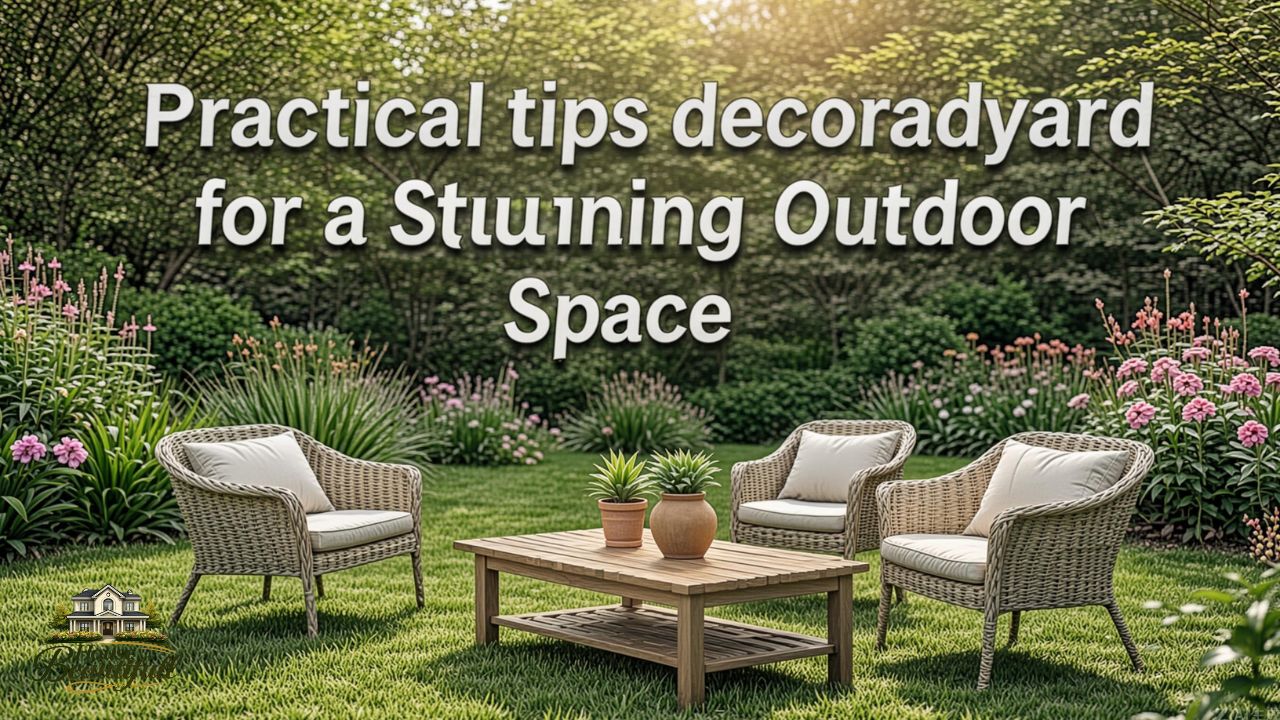
Your outdoor space is more than just the area outside your walls—it’s an extension of your personality, your lifestyle, and your everyday comfort. The right tips decoradyard can turn even the simplest backyard into a peaceful retreat or a vibrant entertainment zone.
Whether you have a compact courtyard, a suburban backyard, or a spacious garden, thoughtful planning makes all the difference. Many homeowners overlook the potential sitting just beyond their back door. But with smart layout ideas, layered lighting, practical landscaping, and creative styling, your yard can feel like a natural continuation of your home.
This guide dives deep into practical, timeless strategies that help you design an outdoor space that feels intentional, inviting, and uniquely yours.

Understanding the Foundation of tips decoradyard
Before choosing plants, furniture, or decorative accents, it’s essential to understand the structure of your space. Good outdoor design always starts with observation and planning.
A yard that feels balanced and functional is rarely accidental. It is shaped by deliberate choices in zoning, flow, scale, and focal points. The foundation of effective tips decoradyard lies in treating your yard as a series of connected “rooms.”
Define Clear Zones
Outdoor zoning means dividing your yard into functional sections. This creates clarity and improves usability.
Common yard zones include:
- Dining area
- Lounge or relaxation area
- Garden or planting beds
- Children’s play space
- Pathways or transitional areas
Even in small yards, subtle zoning—like using rugs, gravel, or planters—can visually separate spaces.
Establish a Focal Point
A focal point anchors the eye. Without it, a yard feels scattered.
Popular focal elements:
- A fire pit
- A water fountain
- A statement tree
- A pergola
- An outdoor dining table
Choose one strong visual anchor and design around it. Simplicity often feels more sophisticated than excess.

Smart Layout Planning for Long-Term Comfort
A beautiful yard that isn’t comfortable won’t be used. Layout planning focuses on movement, shade, privacy, and proportion.
Consider Traffic Flow
Imagine how people move through the space:
- Is there a clear path from the house to the seating area?
- Are walkways wide enough?
- Do doors open into comfortable circulation areas?
Avoid placing furniture where it blocks natural movement.
Balance Open and Filled Areas
Overcrowding makes even large yards feel cramped. Leave breathing space between furniture pieces and planting beds.
A good rule:
- 60% functional space
- 40% greenery and decorative elements
This balance keeps the yard inviting rather than overwhelming.
Choosing Plants That Elevate tips decoradyard
Plants define mood, texture, and seasonality. Thoughtful planting transforms a yard from plain to immersive.
Use Layering Techniques
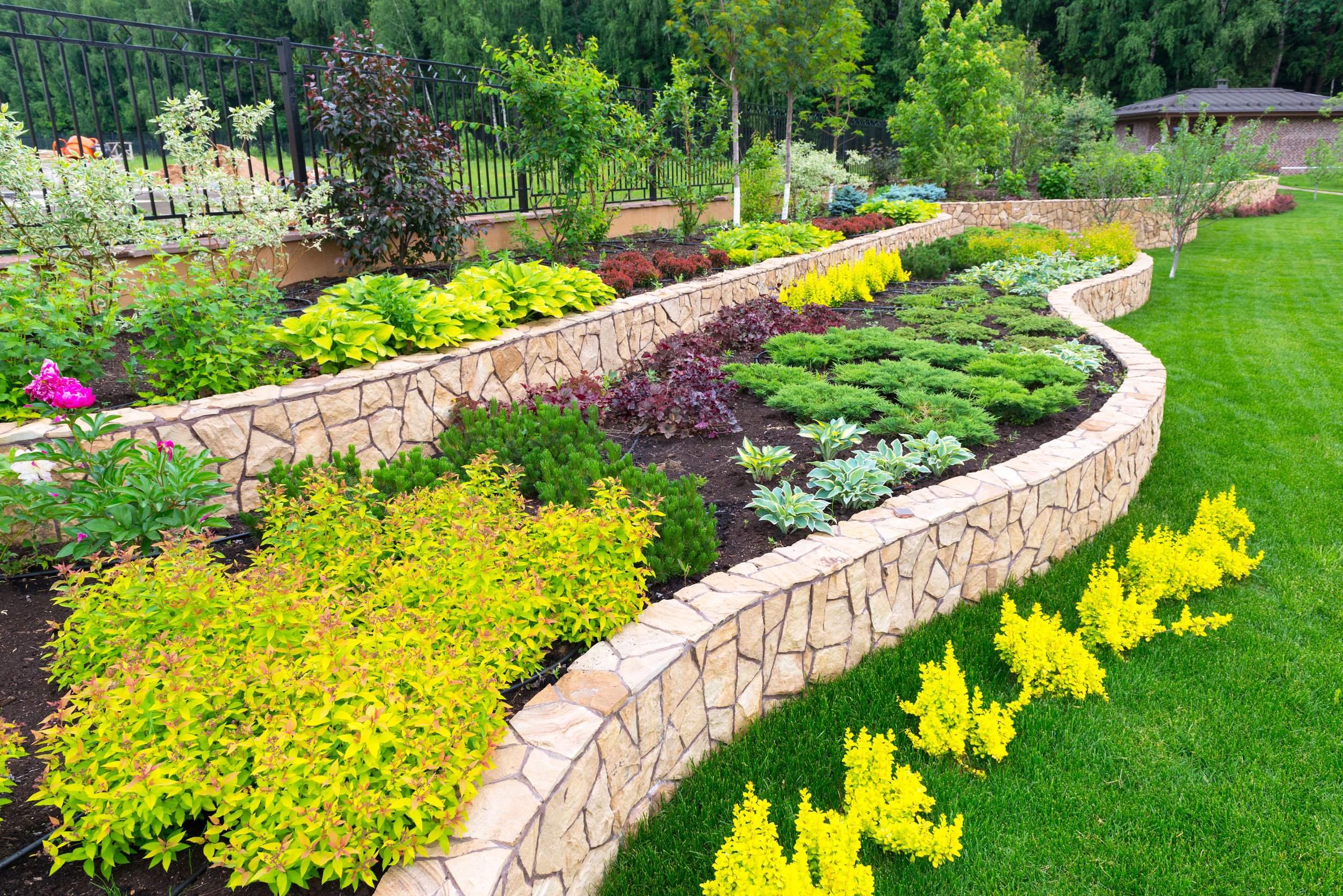
Layering means arranging plants in vertical tiers:
- Tall shrubs or trees at the back
- Medium plants in the middle
- Ground covers in the front
This creates depth and visual richness.
Mix Textures and Leaf Shapes
A yard becomes visually interesting when textures vary:
- Soft grasses
- Bold tropical leaves
- Delicate flowering plants
- Structural evergreens
Avoid planting everything at the same height and texture.
Choose Low-Maintenance Varieties
If upkeep feels overwhelming, the yard quickly loses charm. Select native or climate-adapted plants to reduce watering and trimming needs.

Outdoor Furniture That Defines the Experience
Furniture sets the tone of your yard. It determines whether the space feels formal, relaxed, modern, or rustic.
Prioritize Comfort
Cushions, ergonomic seating, and weather-resistant materials are essential. Outdoor spaces should invite lingering conversations.
Look for:
- Deep seating sofas
- Outdoor sectionals
- Durable dining sets
- Modular benches
Scale Matters
Oversized furniture in a small yard feels heavy. Tiny furniture in a large yard feels lost.
Measure carefully before purchasing. Always allow enough clearance for walking space.
Lighting: The Secret to Transformative Ambiance
Lighting dramatically changes how a yard feels after sunset. It extends usability and adds emotional warmth.
Layer Your Lighting
Use three lighting types:
- Ambient lighting – string lights, wall sconces
- Task lighting – near dining tables or grills
- Accent lighting – highlighting trees or sculptures
Layering prevents harsh shadows and creates dimension.
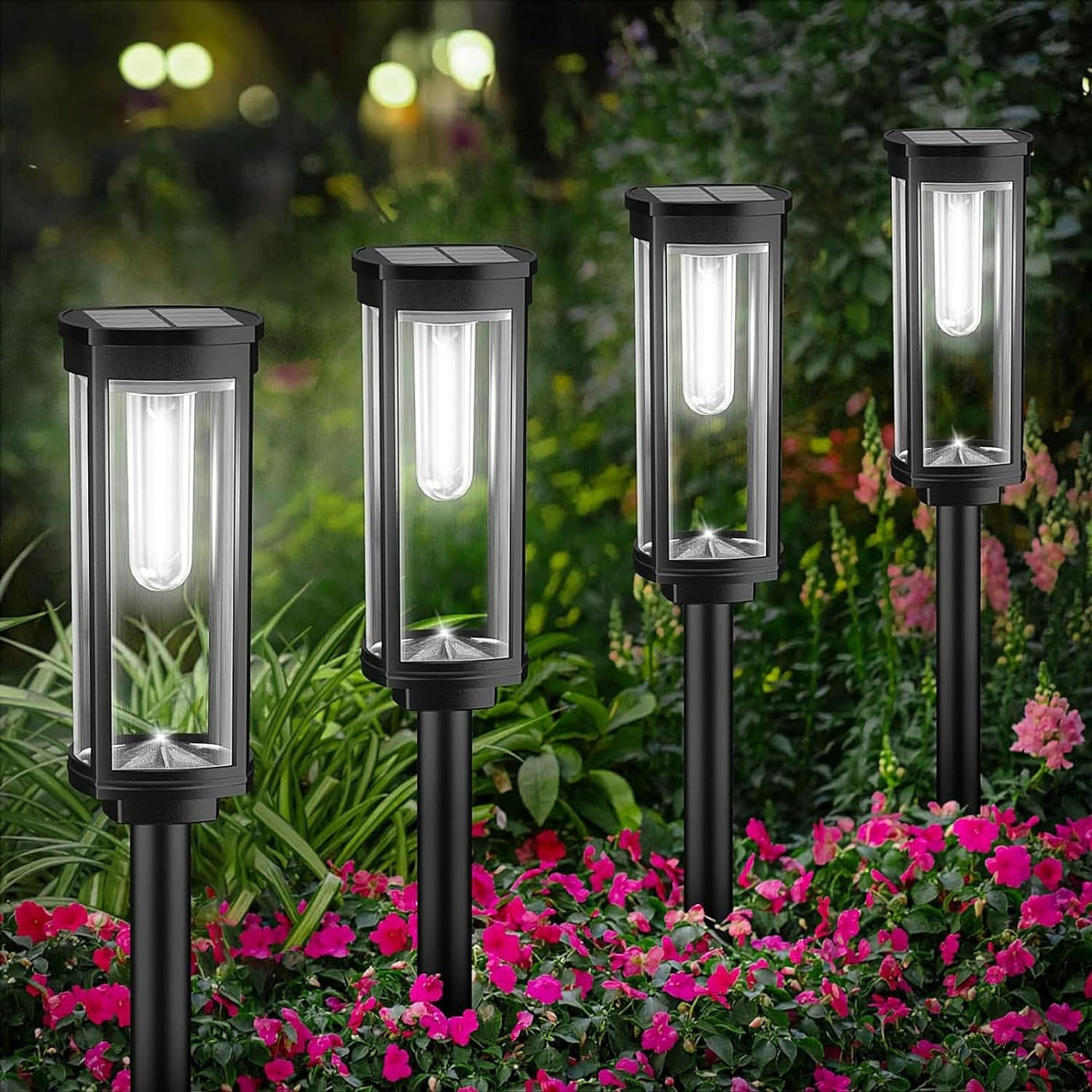
Embrace Solar and Energy-Efficient Options
Solar pathway lights and LED fixtures reduce energy use and simplify installation.
Even subtle lighting can elevate the effectiveness of your overall tips decoradyard strategy.
Budget-Friendly Styling Ideas
Creating a beautiful yard doesn’t require a massive budget. Creativity often delivers the most personal results.
DIY Decor Options
- Painted terracotta pots
- Reclaimed wood planters
- Hanging mason jar lanterns
- Pallet seating with cushions
Refresh What You Already Own
Sometimes transformation is about rearrangement:
- Move indoor rugs outside (weather permitting)
- Repaint old metal chairs
- Add fresh cushion covers
Small changes produce visible upgrades.

Creating Privacy Without Closing Off Space
Privacy is essential, especially in urban or suburban settings.
Natural Barriers
- Bamboo screens
- Tall grasses
- Climbing vines on trellises
These soften boundaries while maintaining airflow.
Structural Solutions
- Pergolas
- Decorative fencing
- Outdoor curtains
Layered privacy elements feel intentional rather than defensive.
Seasonal Updates That Keep Your Yard Fresh
Outdoor spaces evolve with seasons. Adjusting décor and plant selections maintains visual interest year-round.
Spring and Summer
- Bright florals
- Lightweight textiles
- Outdoor dining setups
Autumn and Winter
- Warm throws
- Fire pits
- Lantern clusters
Rotating accessories keeps the space dynamic without major redesign.

Sustainability and Eco-Friendly Outdoor Design
Modern yard design increasingly prioritizes environmental responsibility.
Water Conservation
- Drip irrigation
- Rain barrels
- Mulching to retain moisture
Sustainable Materials
- Recycled wood furniture
- Natural stone
- Permeable paving
Sustainable design choices align beauty with responsibility.
Tips decoradyard for Small Spaces
Limited space does not mean limited creativity. In fact, smaller yards often feel cozier and more intentional.
Use Vertical Space
Install:
- Wall-mounted planters
- Hanging baskets
- Vertical herb gardens
Choose Multi-Functional Pieces
- Storage benches
- Foldable tables
- Stackable chairs
Smart space-saving furniture enhances usability without clutter.
Common Mistakes to Avoid
Even well-intentioned yard projects can go wrong. Avoid these common pitfalls:
- Ignoring scale
- Overplanting
- Poor drainage planning
- Skipping shade considerations
- Using too many competing design styles
Clarity and restraint usually create more elegant results.
Frequently Asked Questions
What is the first step in redesigning a yard?
Start with observation. Measure the space, study sunlight patterns, and identify functional needs before purchasing anything.
How often should outdoor décor be updated?
Seasonal refreshes twice a year are sufficient for most homes. Major structural updates can be done every few years.
Are outdoor rugs worth investing in?
Yes. They define zones and add warmth. Choose weather-resistant materials designed for exterior use.
How can I make a small yard look bigger?
Use mirrors, vertical planting, light-colored furniture, and consistent flooring to create visual expansion.
What lighting works best for patios?
Layered lighting with string lights and subtle pathway illumination creates balanced ambiance.
How do I maintain plants with minimal effort?
Select native species, install drip irrigation, and apply mulch to reduce watering frequency.
Is it better to use real plants or artificial ones?
Real plants improve air quality and visual authenticity. Artificial plants may suit extremely low-maintenance needs.
Can I redesign my yard without professional help?
Absolutely. With research, planning, and patience, homeowners can achieve impressive results independently.
Conclusion
An outdoor space should feel like a natural extension of your home—comfortable, welcoming, and reflective of your lifestyle. Thoughtful zoning, layered lighting, balanced planting, and smart furniture choices all work together to create harmony.
By applying these practical strategies, you transform more than just a yard—you create a place for memories, quiet mornings, evening conversations, and everyday relaxation. The beauty of outdoor design lies in its flexibility. Start small, refine gradually, and allow your space to evolve with you.