
Introduction
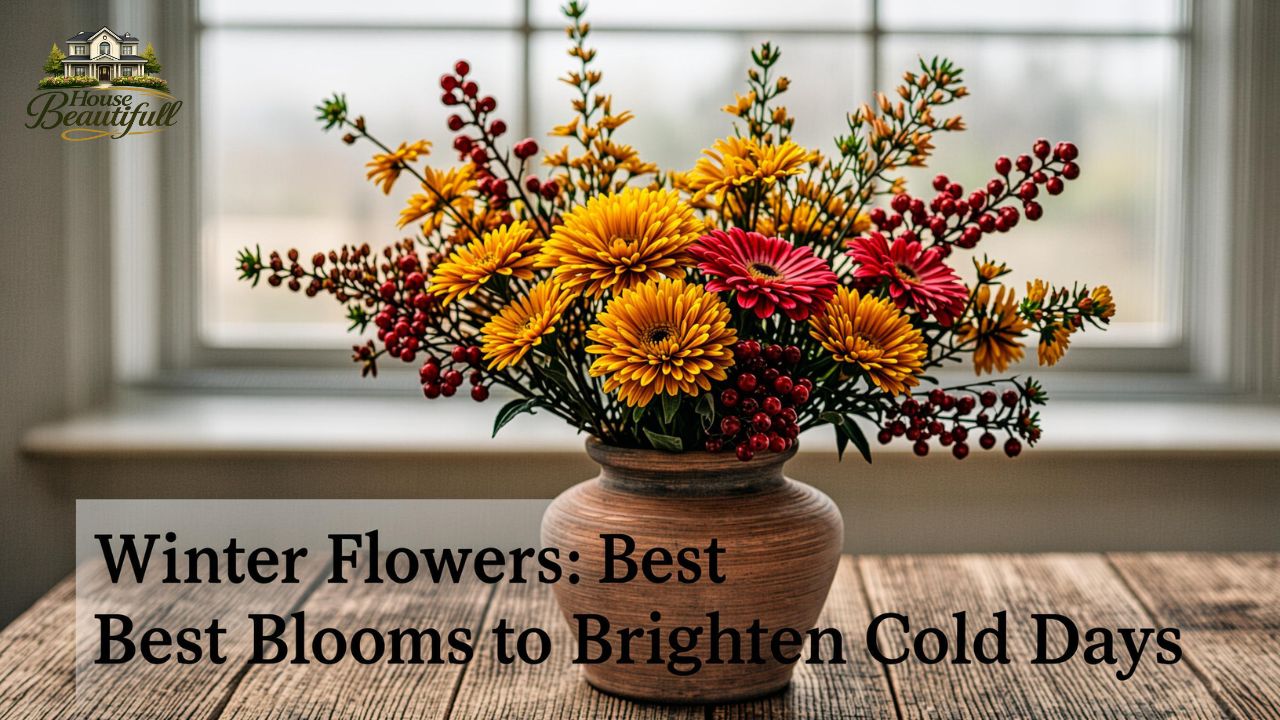
When most plants retreat and landscapes turn gray, winter flowers quietly steal the show. Yes, even in the coldest months, nature still finds a way to bloom—and beautifully so.
If you’ve ever looked out at a dull winter garden and wished for color, you’re not alone. The good news? There are stunning flowers that thrive in chilly conditions, bringing life, vibrancy, and even fragrance to your outdoor (or indoor) spaces.
In reality, winter gardening isn’t just possible—it’s incredibly rewarding. Whether you’re a beginner or a seasoned plant lover, learning about winter flowers can completely transform how you see the cold season.
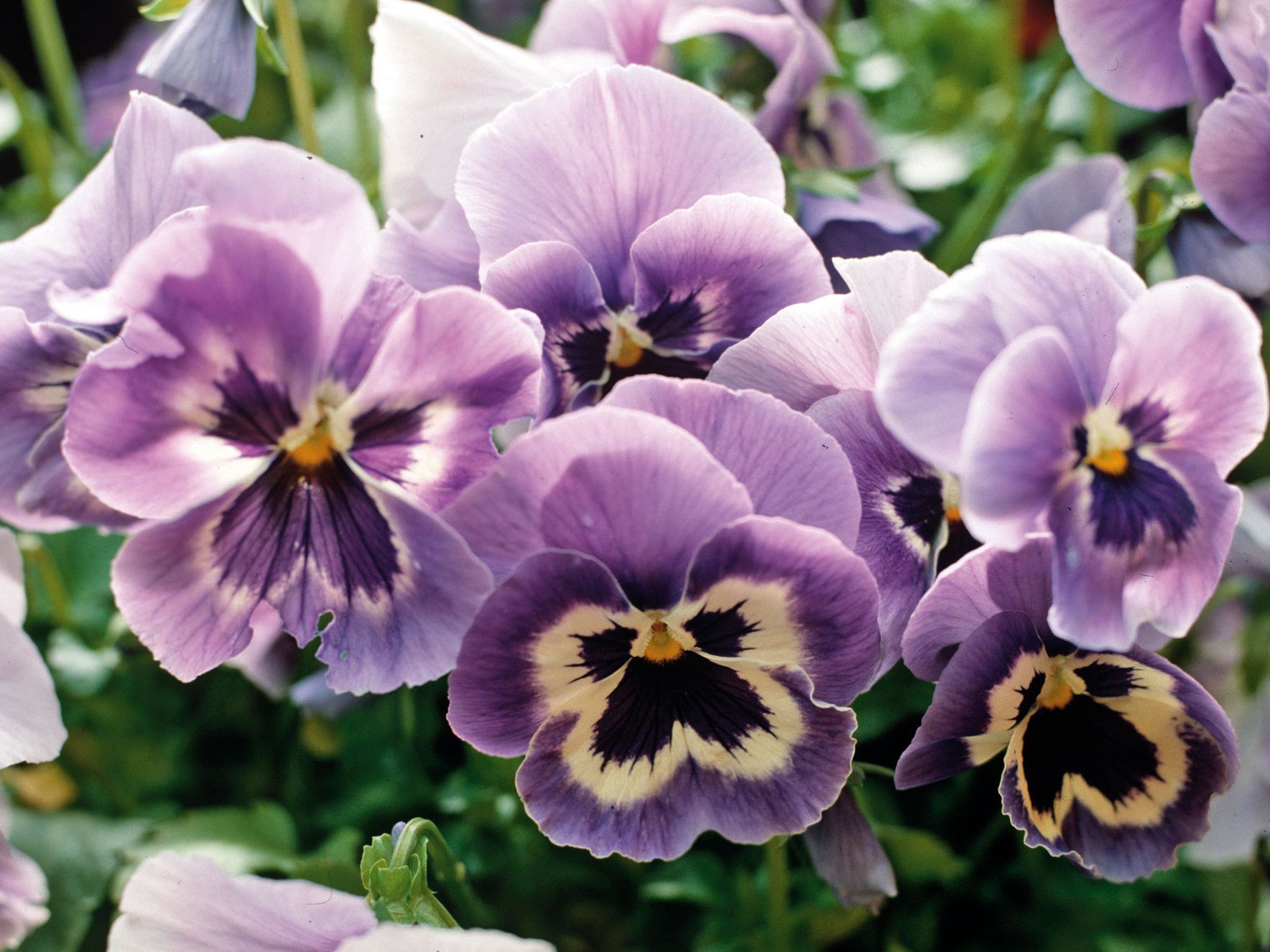
Table of Contents
What Are Winter Flowers?
Why Grow Winter Flowers?
Popular Types of Winter Flowers
How to Grow Winter Flowers Successfully
Indoor vs Outdoor Winter Flowers
Common Mistakes to Avoid
Benefits of Winter Flowers
FAQs
Conclusion
What Are Winter Flowers?
Winter flowers are plant species that bloom during the colder months—typically late fall through early spring. Unlike most plants that go dormant in winter, these hardy varieties are specially adapted to survive low temperatures, frost, and even snow.
Key Characteristics
- Frost-resistant petals and stems
- Slow but steady growth cycles
- Ability to bloom in low sunlight
- Often evergreen or semi-evergreen
These plants are not just survivors—they’re showstoppers. Many of them produce vibrant colors precisely when your garden needs it most.
Why Grow Winter Flowers?
Growing winter flowers isn’t just about aesthetics—it’s about creating a year-round connection with nature.
Emotional Benefits
Winter can feel long and dull. Bright blooms can:
- Lift your mood
- Reduce seasonal stress
- Create a sense of calm
Practical Benefits
- Support pollinators like bees during scarce months
- Add value to landscaping
- Extend your gardening season
Real-Life Example
Many gardeners in colder regions like the UK or Northern US rely heavily on winter-blooming plants to maintain visual interest in their gardens. Without them, landscapes can feel lifeless for months.
Popular Types of Winter Flowers
Here’s where things get exciting. Let’s explore some of the most beautiful and resilient winter flowers you can grow.
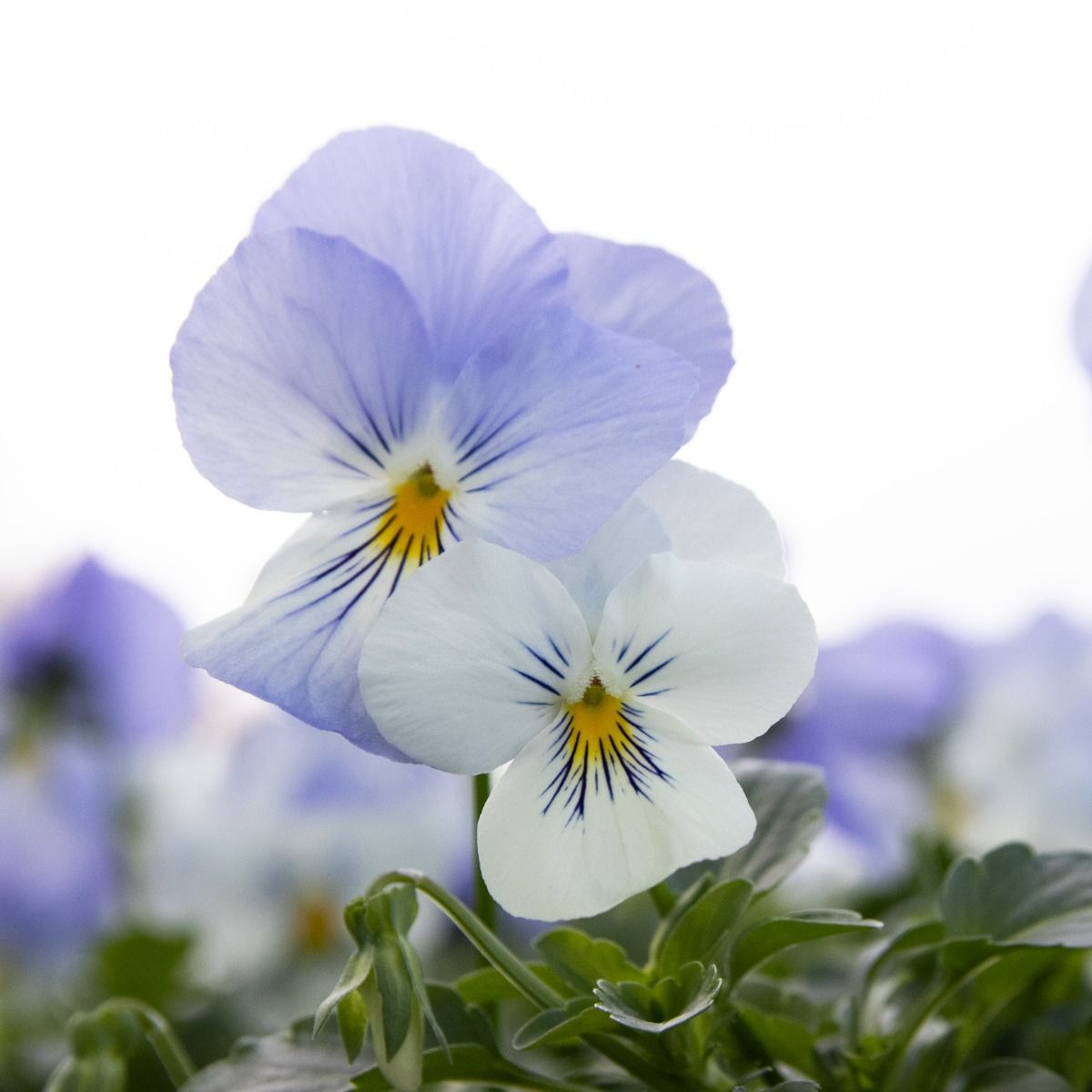
1. Pansies

Pansies are among the most popular cold-weather flowers. They come in a wide range of colors and can survive light frost.
Why they stand out:
- Extremely colorful
- Easy to grow
- Bloom repeatedly
2. Snowdrops
These delicate white flowers often bloom through snow, symbolizing hope and renewal.
Key features:
- Early bloomers
- Low maintenance
- Elegant appearance
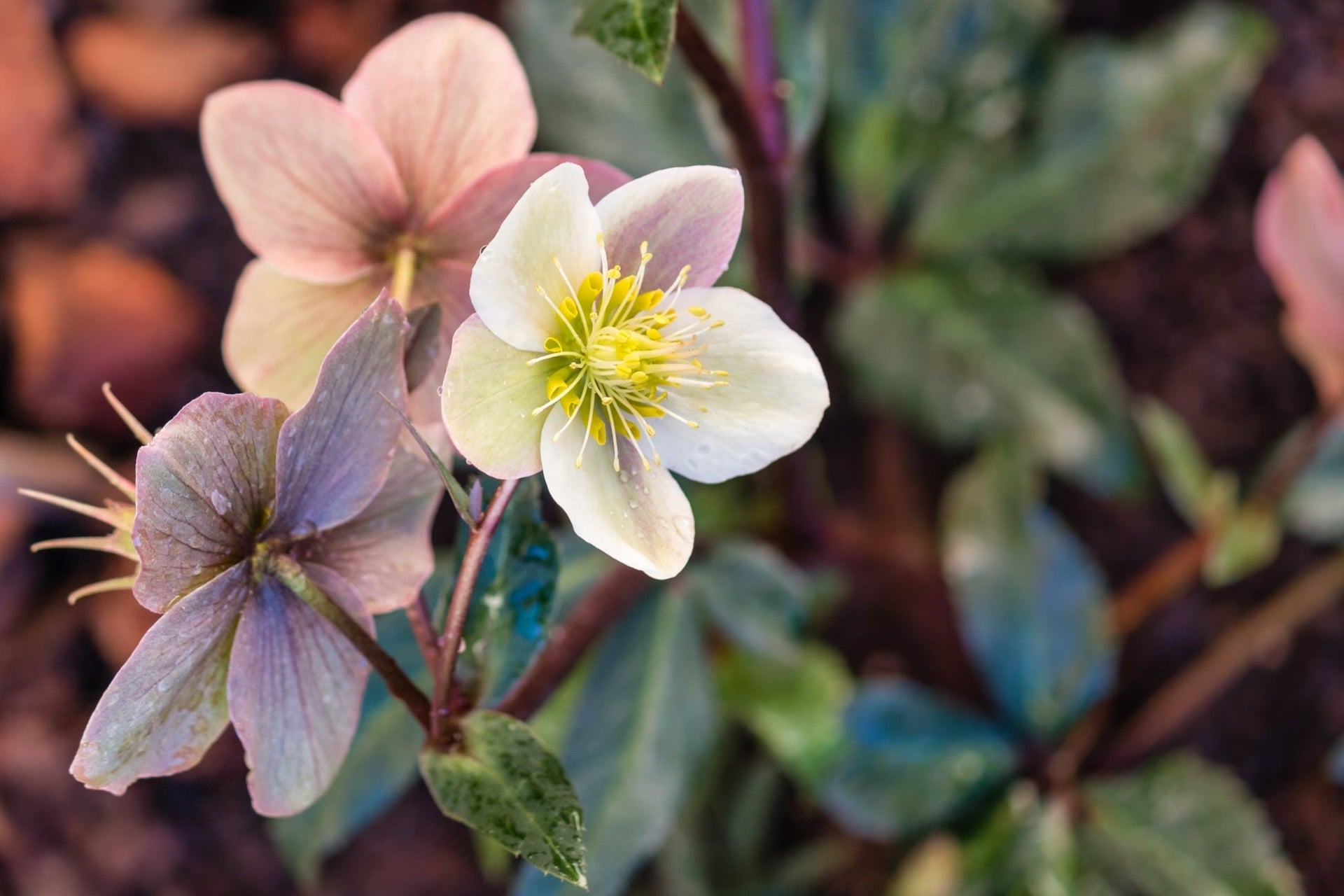
3. Hellebores (Christmas Rose)

Known as the “Christmas Rose,” hellebores are incredibly hardy and bloom in mid to late winter.
Highlights:
- Long-lasting blooms
- Shade-tolerant
- Unique colors
4. Winter Jasmine
A bright yellow flowering plant that thrives even in freezing temperatures.
Best for:
- Climbing walls
- Garden borders
- Adding vertical interest
5. Camellias
These elegant flowers bloom in winter and early spring, offering rose-like beauty.
Benefits:
- Glossy evergreen leaves
- Large, stunning flowers
- Long blooming season
How to Grow Winter Flowers Successfully
Growing winter flowers requires a slightly different approach compared to spring or summer plants.
Soil Preparation
- Use well-drained soil
- Add compost for nutrients
- Avoid waterlogging
Sunlight Needs
Most winter blooms need:
- Partial sunlight
- Protection from harsh winds
Watering Tips
- Water less frequently
- Avoid freezing conditions
Planting Time
Plant in early fall so roots establish before winter hits.
Indoor vs Outdoor Winter Flowers
| Feature | Indoor Winter Flowers | Outdoor Winter Flowers |
|---|---|---|
| Temperature Control | Easy | Depends on weather |
| Maintenance | Moderate | Low to moderate |
| Variety | Limited | Wide range |
| Visual Impact | Subtle | Dramatic |
Indoor Options
- Orchids
- African violets
- Cyclamen
Outdoor Options
- Pansies
- Snowdrops
- Hellebores
That said, combining both indoor and outdoor plants can create a seamless winter aesthetic throughout your home.
Common Mistakes to Avoid
Even experienced gardeners make mistakes when dealing with winter flowers.

Overwatering
Cold soil retains moisture longer—too much water can cause root rot.
Poor Plant Selection
Not all flowers can survive winter. Choose hardy varieties only.
Ignoring Frost Protection
Even tough plants need occasional protection during extreme cold spells.
Late Planting
Planting too late doesn’t allow roots to establish properly.
Benefits of Winter Flowers
Environmental Impact
- Support biodiversity
- Help pollinators survive
Aesthetic Value
- Add color to dull landscapes
- Enhance curb appeal
Psychological Benefits
- Improve mental health
- Create a calming environment
Infographic: Benefits of Winter Flowers

Personal Background & Financial Insights in Winter Gardening
Winter gardening has evolved from a hobby into a thriving niche industry. Many gardening influencers and horticulturists have built careers around seasonal planting strategies.
Career Journey
- Started as hobby gardeners
- Built blogs, YouTube channels, or nurseries
- Monetized through courses, plants, and tools
Achievements
- Published gardening guides
- Collaborations with brands
- Social media growth
Estimated Earnings
Top gardening influencers can earn anywhere from $2,000 to $20,000+ per month depending on their audience size and product offerings.
In reality, the niche of winter flowers has become increasingly profitable due to rising interest in year-round gardening.
FAQs
What are the best winter flowers for beginners?
Pansies, snowdrops, and hellebores are ideal because they’re low maintenance and highly resilient.
Can winter flowers survive snow?
Yes, many varieties like snowdrops and hellebores can bloom even under snow.
How often should I water winter flowers?
Water sparingly—usually once a week, depending on soil moisture.
Do winter flowers need sunlight?
Yes, but most thrive in partial sunlight rather than full exposure.
Can I grow winter flowers indoors?
Absolutely. Plants like cyclamen and orchids do well indoors during winter.
When should I plant winter flowers?
Early fall is the best time to plant so roots can establish before winter.
Are winter flowers expensive to maintain?
Not really. Most are low-maintenance and require minimal care.
Do winter flowers attract insects?
Yes, they help support pollinators like bees during colder months.
Conclusion
Winter doesn’t have to mean a lifeless garden. With the right choices, winter flowers can turn even the coldest landscape into a vibrant, living masterpiece.
Whether you’re planting pansies for a splash of color or nurturing delicate snowdrops, the joy of seeing blooms in winter is unmatched. It’s a reminder that life persists—even in the harshest conditions.
So, if you’ve been hesitant about winter gardening, consider this your sign to start. Because sometimes, the most beautiful blooms appear when you least expect them.