
Introduction
Every so often, a term appears out of nowhere and quietly starts gaining attention—cbofeos is one of those. Whether you stumbled upon cbofeos while browsing, researching, or hearing it mentioned in a discussion, you’re not alone in wondering what it really means.
At first glance, cbofeos might seem like just another obscure or technical word. But dig a little deeper, and it opens the door to a fascinating concept that connects modern systems, digital evolution, and real-world applications in ways that matter more than you’d expect.
Understanding cbofeos isn’t just about defining a term—it’s about recognizing how emerging ideas shape industries, influence decisions, and guide innovation. Let’s break it down in a way that actually makes sense.
What Is cbofeos?
Cbofeos can be understood as a conceptual framework or evolving term used to describe a structured approach to managing complex processes or systems. While its exact definition may vary depending on context, it often represents a blend of organization, optimization, and forward-thinking strategies.
A Simple Definition
At its core, cbofeos refers to:
- A structured method of handling dynamic systems
- A model for improving efficiency and outcomes
- A concept tied to adaptability and innovation
Rather than being tied to a single field, cbofeos can apply across different domains, which is part of what makes it so interesting.
Why the Term Matters
New terminology often reflects shifts in thinking. When people start using words like cbofeos, it usually signals:
- A new way of solving problems
- A fresh perspective on existing systems
- An evolving trend worth paying attention to


The Origins and Evolution of cbofeos
While cbofeos may not yet have a long historical record, its emergence follows a familiar pattern. Many modern concepts begin as niche ideas before gradually gaining broader relevance.
How It Emerged
Cbofeos likely developed from the need to:
- Simplify complex processes
- Improve coordination between systems
- Adapt to rapidly changing environments
As industries became more interconnected, traditional methods often fell short. Concepts like cbofeos help bridge that gap.
Why It’s Gaining Attention
There are a few key reasons cbofeos is becoming more visible:
- Increased reliance on digital ecosystems
- Demand for smarter, more flexible solutions
- Growing interest in efficiency and optimization
In short, cbofeos reflects the way modern thinking is evolving.
Key Components of cbofeos
To truly understand cbofeos, it helps to break it into its core elements. These components work together to form a cohesive approach.
1. Structure
Cbofeos emphasizes clear organization. Without structure, even the most advanced systems can become chaotic.
2. Adaptability
One of the defining traits of cbofeos is flexibility. Systems must be able to evolve as conditions change.
3. Efficiency
At its heart, cbofeos aims to improve outcomes while minimizing wasted effort or resources.
4. Integration
Modern systems don’t operate in isolation. Cbofeos highlights the importance of seamless interaction between different elements.


Practical Uses of cbofeos
One of the reasons cbofeos is gaining traction is its versatility. It can be applied in multiple real-world scenarios.
Business and Operations
Organizations can use cbofeos to:
- Streamline workflows
- Improve decision-making
- Enhance productivity
Technology and Systems
In tech environments, cbofeos helps:
- Manage complex architectures
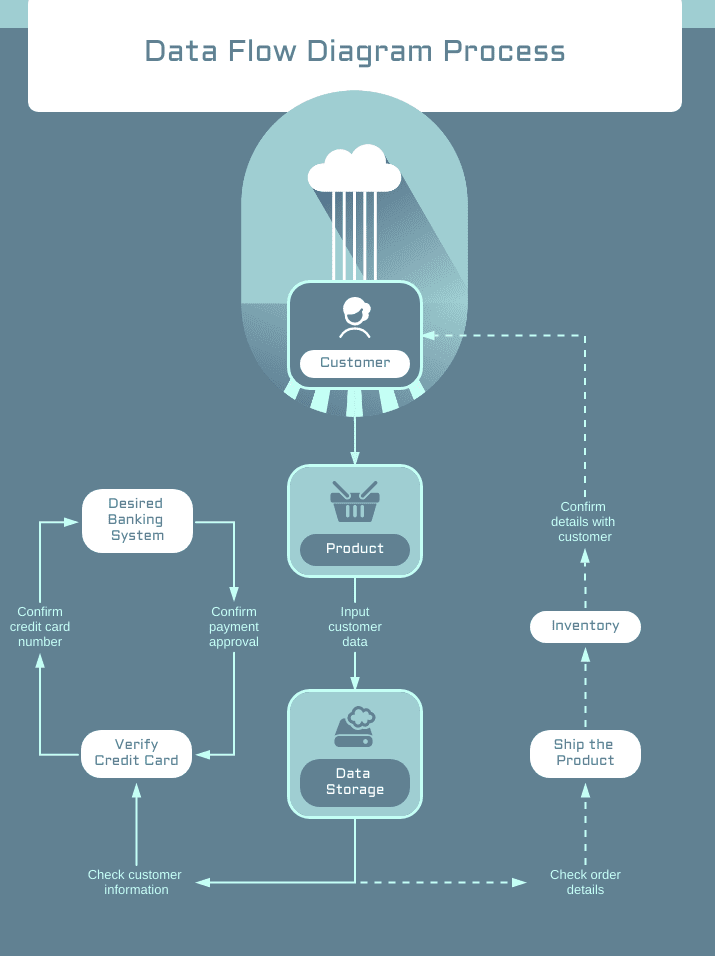
- Optimize data flow
- Improve system performance
Personal Productivity
Even on an individual level, cbofeos can guide:
- Better time management
- Clear goal-setting
- Efficient task execution
Benefits of Understanding cbofeos
Grasping the concept of cbofeos offers several advantages, especially in a fast-paced world.
Improved Clarity
When systems are organized using cbofeos principles, everything becomes easier to understand and manage.
Better Results
Efficiency naturally leads to improved outcomes—whether in business, technology, or daily life.
Future-Readiness
Cbofeos encourages adaptability, which is essential for staying relevant in changing environments.
Common Misconceptions About cbofeos
Like many emerging ideas, cbofeos can be misunderstood.
“It’s Too Technical”
In reality, cbofeos is not limited to technical fields. Its principles can apply to everyday situations.
“It’s Just Another Buzzword”
While it may sound new or unfamiliar, cbofeos represents meaningful concepts that are already being used in practice.
“It’s Complicated”
At its core, cbofeos is about simplifying complexity—not adding to it.


How to Apply cbofeos in Real Life
You don’t need to be an expert to start using cbofeos principles.
Step 1: Identify Complexity
Look for areas where things feel disorganized or inefficient.
Step 2: Create Structure
Break processes into clear, manageable parts.
Step 3: Optimize
Remove unnecessary steps and improve flow.
Step 4: Stay Flexible
Be ready to adjust as conditions change.
cbofeos in Modern Trends
Cbofeos aligns closely with several current trends.
Digital Transformation
As businesses move online, structured systems become more important than ever.
Automation
Cbofeos supports automation by creating clear, repeatable processes.
Data-Driven Decisions
With better organization, data becomes easier to analyze and use effectively.
Challenges and Limitations
No concept is perfect, and cbofeos is no exception.
Over-Structuring
Too much structure can reduce creativity.
Misapplication
Applying cbofeos without understanding context can lead to inefficiencies.
Resistance to Change
People may be hesitant to adopt new approaches.
FAQ
Frequently Asked Questions
What does cbofeos actually mean?
Cbofeos refers to a structured and adaptable approach to managing systems, improving efficiency, and optimizing outcomes.
Is cbofeos a technical concept?
Not exclusively. While it can be used in technical fields, its principles apply broadly.
Why is cbofeos becoming popular?
Because modern environments require flexible, efficient systems that can adapt quickly.
Can individuals use cbofeos?
Yes, it can help with productivity, organization, and goal-setting.
Is cbofeos difficult to implement?
No, it can be applied gradually by simplifying and organizing processes.
How is cbofeos different from traditional methods?
It focuses more on adaptability and integration rather than rigid structures.
Does cbofeos apply to businesses only?
No, it can be used in personal, professional, and technological contexts.
Is cbofeos a long-term concept?
Yes, its principles align with ongoing trends in efficiency and innovation.
Conclusion
Cbofeos may have started as an unfamiliar term, but its underlying ideas are both practical and powerful. It represents a shift toward smarter, more adaptable ways of thinking—something that’s becoming essential in today’s world.
Whether you’re managing a business, working with technology, or simply trying to stay organized, the principles behind cbofeos can offer real value. By focusing on structure, efficiency, and flexibility, you can create systems that not only work—but thrive.