Selection of the appropriate water heater is very crucial in the case of a shower faucet with jets, which will keep the user’s experience with the shower optimum. Multi-jet shower systems like these require constant supplies of hot water at appropriate pressure due to the high flow rate of water. If one intends to install jets in their showers, they must select a water heater that will be able to cope with the increased demands. In this paper, we will examine some of the most suitable types of water heaters for jet showers and factors to consider before making your purchase.
1. Understanding the Water Demands of a Shower Faucet With Jets
How Do Shower Faucets With Jets Work?
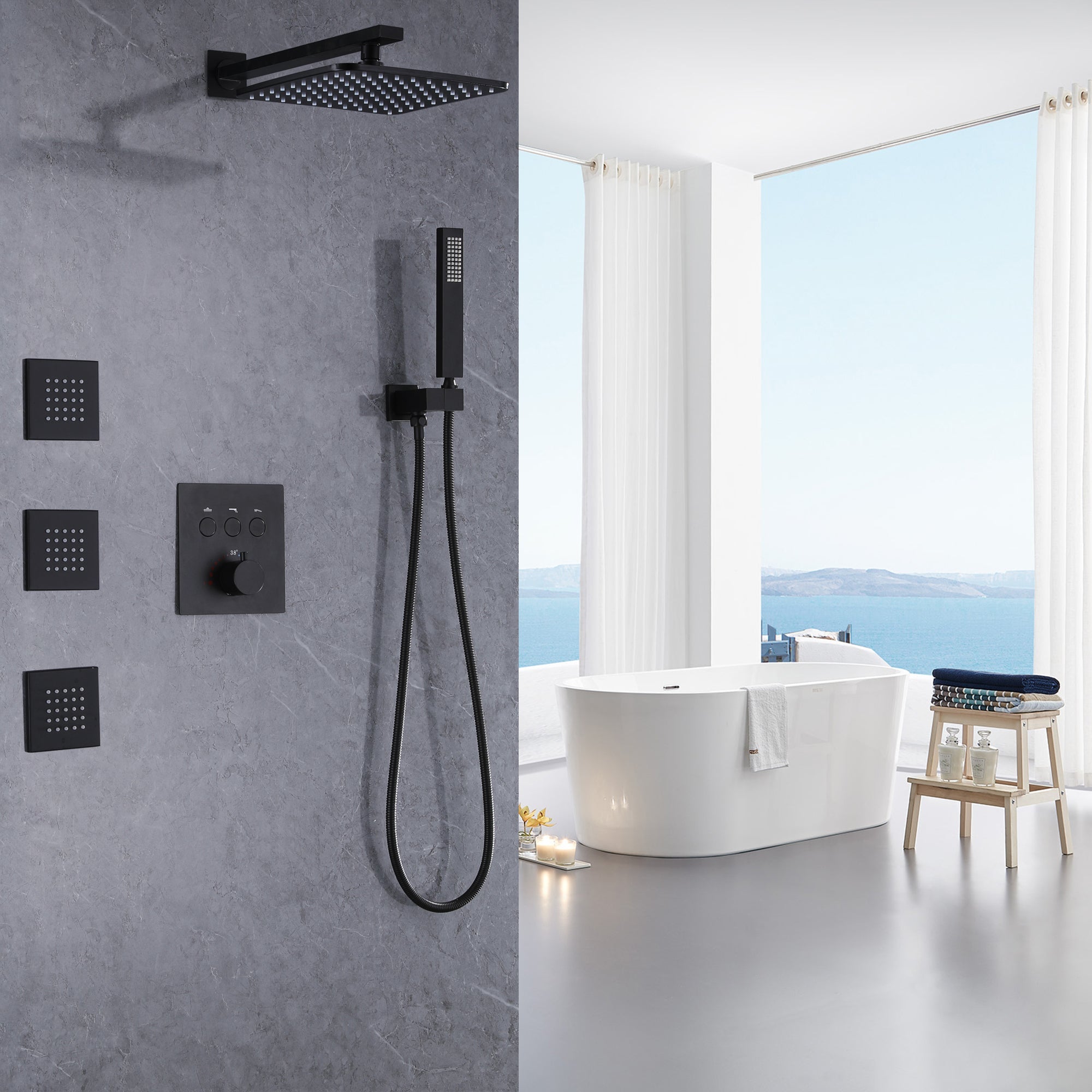
Other shower faucets have jets and work in the function of directing water from several outlets, which tries to emulate those facility showers one would enjoy at a spa. Jets are many times deployed with a main showerhead that increases the quantity of water used. Systems with jets take anywhere from 2.5 to 5 gallons of water per minute or more, compared to standard showers..
Why Water Heater Capacity Matters
To maintain a steady flow of hot water without fluctuations in temperature or pressure, you need a water heater that can supply sufficient hot water volume. If your water heater isn’t up to the task, you could experience cold water interruptions, poor jet performance, or inconsistent temperatures.
2. Types of Water Heaters for Shower Faucets With Jets
1. Tankless Water Heaters
Tankless water heaters, also known as on-demand water heaters, are an excellent choice for showers with jets. These systems heat water only when it’s needed, ensuring a continuous supply without the limitations of a tank.
Pros:
Endless Hot Water: Ideal for longer showers and high-demand systems, such as those with multiple jets.
Energy Efficiency: Since water isn’t heated and stored in a tank, energy use is minimized, reducing utility bills.
Compact Design: Tankless models take up less space and can be installed on a wall or even in smaller areas.
Cons:
Higher Initial Cost: Tankless water heaters can be more expensive to install compared to traditional tank heaters.
Flow Rate Limitations: If your household frequently uses multiple water fixtures at the same time, you may need a high-capacity or multiple tankless units to keep up with the demand.
2. Traditional Tank Water Heaters
Traditional tank water heaters store a set amount of hot water (ranging from 30 to 80 gallons) and are typically more affordable than tankless systems.
Pros:
Lower Upfront Cost: Initial installation is generally cheaper than tankless models.
Readily Available Hot Water: Good for moderate household use where high water flow isn’t constant.
Cons:
Limited Hot Water Supply: Once the tank runs out, you may need to wait for it to refill and reheat.
Less Energy Efficient: Constantly heating stored water can lead to higher energy consumption.
3. Hybrid Water Heaters
Hybrid water heaters combine the benefits of tank and tankless systems, using a heat pump to make the water heating process more efficient.
Pros:
Energy Efficiency: Can save energy by using heat pump technology to heat the water.
Higher Capacity: Can handle the increased demand of showers with jets better than a traditional tank heater.
Cons:
Higher Cost: Initial purchase and installation costs can be higher.
Space Requirement: Typically larger than tankless heaters and may need more installation space.
3. Key Factors to Consider When Choosing a Water Heater
1. Flow Rate and Gallons Per Minute (GPM)
To select the best water heater, calculate the total Gallons Per Minute (GPM) your shower faucet with jets requires. For instance, if your showerhead uses 2.5 GPM and each additional jet adds 0.5 GPM, a shower system with four jets would require a water heater capable of delivering at least 4.5 GPM.
2. Temperature Rise
Consider the temperature rise needed for your water heater. This is the difference between the incoming water temperature and the desired shower temperature. If you live in a colder region where incoming water may be around 50°F, and you prefer a shower at 110°F, your water heater should handle a 60°F temperature rise.
3. Energy Efficiency and Operating Costs
Energy-efficient water heaters can significantly reduce long-term utility bills. Look for models with high Energy Factor (EF) ratings or Uniform Energy Factor (UEF) ratings to ensure optimal performance.
4. Installation Space
Ensure that you have enough space for the type of water heater you choose. While tankless heaters are compact, traditional and hybrid models may require more room.
4. Recommendations for Water Heater Brands
Best Tankless Water Heater Brands
Rinnai: Known for reliable, high-capacity tankless units that can handle multiple fixtures simultaneously.
Navien: Offers models with built-in recirculation pumps for consistent hot water delivery.
Noritz: Renowned for energy-efficient models with customizable temperature settings.
Best Traditional Tank Water Heater Brand
Bradford White: Durable and reliable tank water heaters with various capacities.
Rheem: Offers energy-efficient tank models with advanced features like Wi-Fi control.
Best Hybrid Water Heater Brands
A.O. Smith: Provides innovative hybrid heaters with energy-efficient heat pump technology.
Rheem: Their hybrid models are known for high performance and impressive energy savings.
5. Takeaway
With the right choice of the water heater, one can have a plush, uninterruptive bath. Whether it is the tankless, conventional, or hybrid water heater, consideration has to be made regarding GPM, temperature rise, efficiency, and space for installation. An educated decision can be made to ensure that the shower keeps constant and comfortable no matter how many jets are turned on.
The right water heater will bring so much comfort into your daily life but also provide a smoother operation of the system longer. If not quite sure, it would be good to consult a professional who can assist better with particular needs.