
Introduction
Renovating a kitchen can feel overwhelming, especially when the price tags for professional renovations start climbing into the thousands. That’s why many homeowners are turning to diy kitchens as a creative, cost-effective alternative that gives them full control over design, materials, and layout.
Building or renovating a kitchen yourself isn’t just about saving money—it’s also about crafting a space that reflects your lifestyle and personal taste. From installing cabinets to designing efficient layouts, the process allows homeowners to transform ordinary kitchens into beautiful, functional spaces.
Whether you’re planning a full renovation or simply upgrading cabinets and countertops, learning how to approach a DIY kitchen project the right way can make all the difference. With thoughtful planning, the right tools, and a bit of creativity, even beginners can create a stunning kitchen without hiring a contractor.
This guide explores practical ideas, layouts, and step-by-step strategies to help you design and build a kitchen that’s stylish, functional, and uniquely yours.
Understanding DIY Kitchens and Why They Are Popular
Before starting any renovation project, it helps to understand what a DIY kitchen really involves. In simple terms, it refers to designing, planning, and installing kitchen components—such as cabinets, countertops, appliances, and shelving—without relying entirely on professional contractors.
Many homeowners choose this route because it offers flexibility and control. Instead of selecting from limited pre-installed designs, you can customize every detail, from cabinet color to storage solutions.
DIY kitchen projects can include:
- Installing ready-to-assemble cabinets
- Replacing countertops
- Painting or refacing cabinets
- Upgrading lighting and fixtures
- Creating open shelving systems
These projects can range from small upgrades to complete remodels depending on your skill level and budget.


Planning Successful DIY Kitchens
Assessing Your Kitchen Space
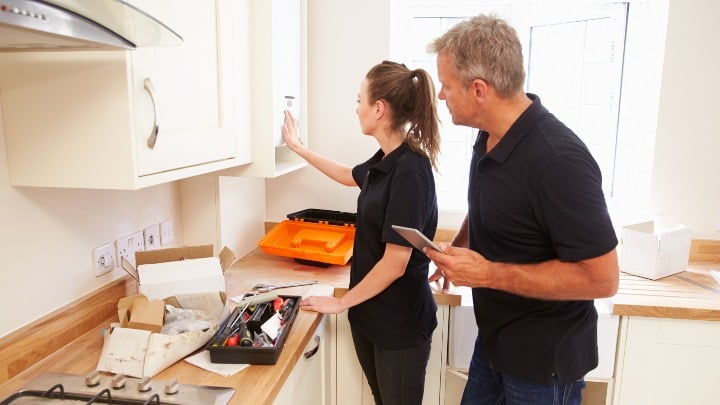
Before buying materials or tearing down cabinets, evaluate the current kitchen layout carefully. Consider the size of the room, available storage, natural lighting, and how people move through the space.
Measure key areas such as:
- Wall length and height
- Cabinet placement zones
- Appliance spacing
- Door and window positions
Accurate measurements prevent costly mistakes and ensure cabinets or appliances fit correctly.
Setting a Realistic Budget
Budget planning is one of the most important parts of a DIY kitchen project. Even small renovations can add up quickly if costs aren’t tracked.
Typical expenses may include:
- Cabinets and hardware
- Countertops
- Sink and faucet
- Flooring upgrades
- Lighting fixtures
- Tools and installation supplies
Many homeowners save thousands by assembling cabinets themselves or choosing affordable materials like laminate countertops instead of stone.
Choosing a Kitchen Layout
The layout determines how efficiently your kitchen functions. A well-planned layout can improve workflow, cooking comfort, and storage access.
Common layouts include:
L-Shaped Kitchens
Ideal for small to medium spaces, this design maximizes corner storage while leaving room for dining areas.
U-Shaped Kitchens
Provides plenty of counter space and storage, making it perfect for larger kitchens or serious home cooks.
Galley Kitchens
Often found in apartments, this layout uses two parallel counters to create a compact and efficient workspace.
Essential Materials and Tools for DIY Kitchens
Starting a kitchen renovation requires the right tools and materials. Preparing them in advance ensures the project runs smoothly.
Basic Tools You’ll Need
Even beginner DIYers can handle many kitchen upgrades with common tools.
Essential tools include:
- Power drill and screwdriver set
- Measuring tape and level
- Circular saw or jigsaw
- Stud finder
- Clamps and safety equipment
These tools allow you to assemble cabinets, mount shelves, and install fixtures safely.
Choosing the Right Cabinets
Cabinets are often the centerpiece of any kitchen design. Fortunately, many ready-to-assemble cabinet systems are designed specifically for DIY installation.
Popular cabinet options include:
- Flat-pack cabinets
- Modular cabinet systems
- Refinished existing cabinets
- Open shelving units
Flat-pack cabinets are particularly popular because they are affordable, easy to transport, and customizable.
Selecting Durable Countertops
Countertops must withstand daily use, heat, moisture, and spills. While natural stone is popular, many DIY homeowners choose materials that are easier to install.
Common options include:
- Laminate countertops
- Butcher block wood
- Quartz slabs
- Concrete countertops
Each option offers different advantages depending on budget and style preferences.
Step-by-Step Guide to Building DIY Kitchens
Renovating a kitchen yourself can feel complicated, but breaking the process into manageable steps makes it much easier.
Step 1: Remove Old Cabinets and Fixtures
Begin by clearing the kitchen area and carefully removing existing cabinets, appliances, and fixtures. Turn off electricity and water lines before starting demolition.
Label plumbing and electrical points so reinstalling appliances later becomes easier.
Step 2: Prepare Walls and Flooring
After removing old fixtures, inspect the walls and floors for damage. Repair drywall, repaint surfaces, and install new flooring if needed before cabinet installation.
Preparing the room properly ensures everything fits correctly later.


Step 3: Install Cabinets
Start with the upper cabinets because they are harder to install once base cabinets are in place.
Key installation tips:
- Use a level to ensure cabinets align perfectly
- Secure cabinets to wall studs for stability
- Clamp cabinets together before tightening screws
After upper cabinets are secured, install the base cabinets and adjust their height if necessary.
Step 4: Install Countertops and Sink
Once cabinets are in place, add countertops and install the sink.
Ensure that:
- Countertops fit snugly against walls
- Sink openings are properly sealed
- Plumbing connections are leak-free
Professional assistance may sometimes be helpful for plumbing or stone countertop installation.
Step 5: Add Finishing Touches
Final details bring the kitchen together. These small elements dramatically influence the final look.
Common finishing touches include:
- Cabinet handles and knobs
- Backsplash tiles
- Pendant lighting
- Decorative shelves
Smart Storage Ideas for DIY Kitchens
Storage plays a crucial role in kitchen functionality. Without proper organization, even the most beautiful kitchen can feel cluttered.
Pull-Out Storage Solutions
Pull-out drawers inside cabinets help access deep storage areas more easily. These are ideal for storing pots, pans, and pantry items.
Corner Cabinet Solutions
Corner cabinets often waste valuable space. Rotating shelves or lazy Susans can transform these areas into practical storage zones.
Vertical Storage
Walls provide additional storage opportunities.
Consider adding:
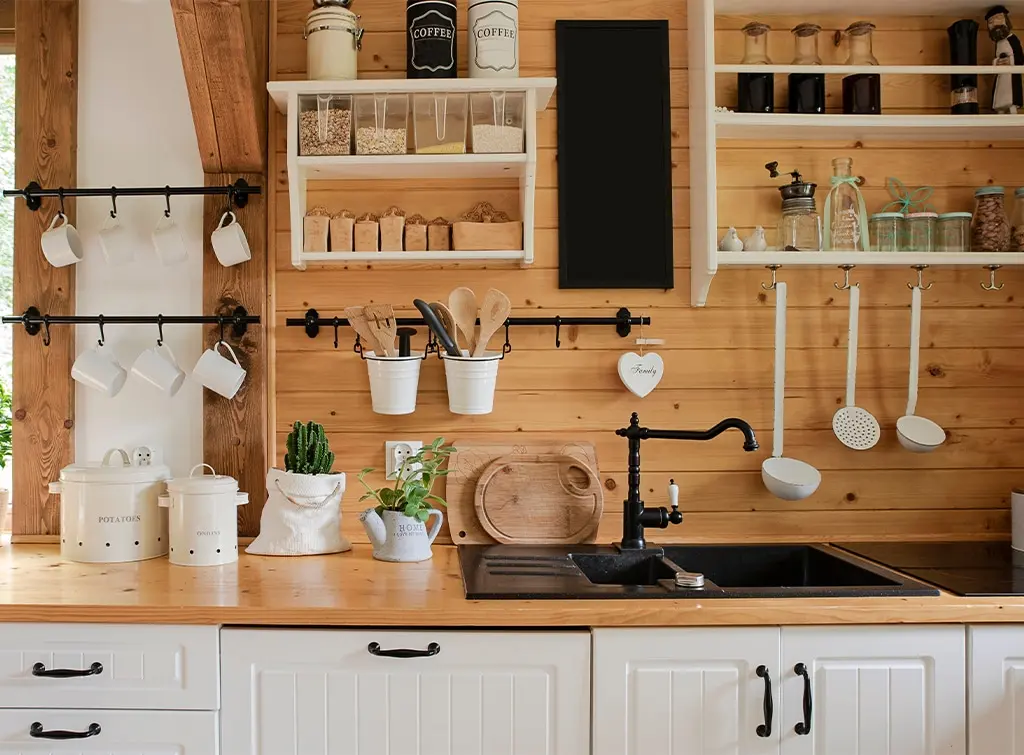
- Magnetic knife racks
- Hanging utensil rails
- Floating shelves
These solutions free up counter space while keeping frequently used items accessible.


Design Ideas to Make DIY Kitchens Look Professional
Even a budget kitchen renovation can look luxurious with thoughtful design choices.
Neutral Color Palettes
Neutral colors such as white, beige, or soft gray create a timeless kitchen style. These shades also make small kitchens appear larger and brighter.
Statement Backsplashes
Backsplashes are an opportunity to add personality to your kitchen.
Popular backsplash materials include:
- Subway tiles
- Mosaic patterns
- Natural stone tiles
- Patterned ceramic tiles
Layered Lighting
Lighting can transform the entire atmosphere of a kitchen.
Use multiple lighting types such as:
- Task lighting under cabinets
- Pendant lights above islands
- Ambient ceiling lights
This layered approach improves both visibility and aesthetics.
Common Mistakes to Avoid When Building DIY Kitchens
While DIY renovations can be rewarding, mistakes can lead to unnecessary costs or delays.
Poor Measurement Planning
Incorrect measurements are one of the most common renovation problems. Always measure twice before cutting materials or ordering cabinets.
Ignoring Kitchen Workflow
The “kitchen work triangle” — the distance between sink, stove, and refrigerator — should remain efficient for easy cooking movement.
Choosing Style Over Function
While aesthetics matter, functionality should always come first. Storage capacity, counter space, and lighting are just as important as design.
Budget Tips for Affordable Kitchen Renovations
DIY kitchens are popular largely because they reduce renovation costs.
Practical ways to save money include:
- Refacing cabinets instead of replacing them
- Installing laminate countertops instead of stone
- Buying second-hand appliances
- Using open shelving instead of upper cabinets
Even small design changes can refresh the entire kitchen without requiring a complete renovation.
FAQ
What are diy kitchens?
DIY kitchens refer to kitchen renovation or installation projects that homeowners complete themselves rather than hiring professional contractors.
Are diy kitchens cheaper than professional renovations?
Yes, DIY projects usually cost significantly less because labor expenses are reduced. Homeowners mainly pay for materials and tools.
How long does it take to build a DIY kitchen?
The timeline depends on the project size. Small upgrades may take a few days, while full renovations may take several weeks.
Do I need professional skills to build a DIY kitchen?
Basic DIY skills are usually enough for many kitchen upgrades. However, plumbing or electrical work may require professional assistance.
What is the best layout for small kitchens?
L-shaped or galley layouts often work best for small kitchens because they maximize counter space while maintaining efficient workflow.
Can beginners install kitchen cabinets themselves?
Yes. Many cabinet systems are designed for easy assembly and installation, making them beginner-friendly.
What materials are best for DIY countertops?
Popular DIY countertop materials include laminate, butcher block wood, and concrete because they are easier to install than natural stone.
How much money can DIY kitchens save?
Depending on the project, homeowners can save anywhere from 30% to 60% compared to hiring full renovation services.
Conclusion
Creating a kitchen yourself can be one of the most rewarding home improvement projects. Beyond the financial savings, DIY renovations allow homeowners to design spaces that truly match their lifestyle, cooking habits, and personal style.
From planning layouts and installing cabinets to choosing storage solutions and lighting, every step contributes to building a functional and beautiful space. With patience, careful preparation, and the right tools, even beginners can achieve professional-looking results.
A thoughtfully designed kitchen isn’t just about cooking—it becomes the heart of the home, where meals are shared, conversations happen, and everyday moments become memories. And when that kitchen is built by your own hands, the satisfaction is even greater.