Introduction
Ever walked into a kitchen and instantly felt it was either perfectly organized… or completely chaotic? More often than not, the difference comes down to kitchen cabinets. They’re not just storage—they define how your kitchen looks, feels, and functions every single day.
Think about it. From where you keep your morning coffee mug to how easily you find your spices while cooking dinner—your cabinets silently shape your routine. That’s why choosing the right kitchen cabinets isn’t just a design decision; it’s a lifestyle upgrade.
In reality, most homeowners underestimate how much impact cabinets have. But once you get them right, everything else—from countertops to lighting—starts to fall into place beautifully.

Table of Contents
What Are Kitchen Cabinets?
Types of Kitchen Cabinets
Materials Used in Kitchen Cabinets
Popular Kitchen Cabinet Styles
How to Choose the Right Kitchen Cabinets
Cost of Kitchen Cabinets
Installation & Maintenance Tips
Common Mistakes to Avoid
Benefits of Kitchen Cabinets
Personal Background & Financial Insights
FAQs
Conclusion
What Are Kitchen Cabinets?
At their core, kitchen cabinets are built-in furniture designed to store food, cookware, and utensils. But that definition barely scratches the surface.

Definition
Kitchen cabinets are structured storage units installed in kitchens to organize items while enhancing the overall aesthetic and functionality of the space.
Key Functions
- Storage and organization
- Enhancing kitchen design
- Improving accessibility
- Maximizing space efficiency
That said, modern cabinets go beyond basic storage—they integrate technology, soft-close mechanisms, and even hidden compartments.
Types of Kitchen Cabinets
Understanding different types of kitchen cabinets helps you make smarter decisions.
1. Base Cabinets
Installed on the floor, these support countertops and house heavy items.
2. Wall Cabinets
Mounted on walls for easy access to frequently used items.
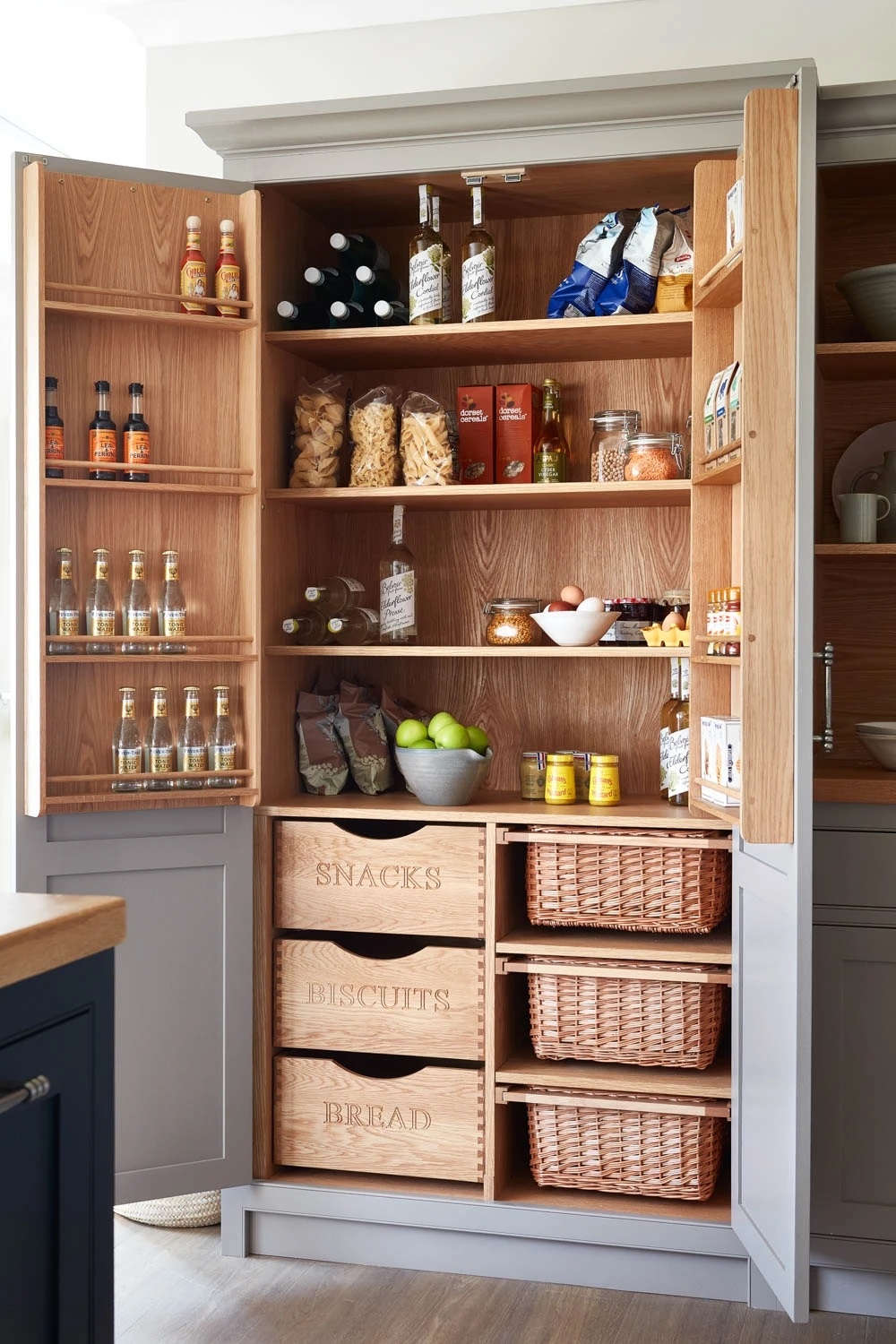
3. Tall Cabinets (Pantry Units)
Perfect for storing bulk food and appliances.
4. Custom Cabinets
Tailored to your kitchen layout and personal style.
5. Stock Cabinets
Pre-made and budget-friendly but limited in customization.
Materials Used in Kitchen Cabinets
The material you choose affects durability, cost, and appearance.
Common Materials
- Solid wood (oak, maple, cherry)
- Plywood
- MDF (Medium Density Fiberboard)
- Particleboard
- Stainless steel
Comparison Table
| Material | Durability | Cost | Appearance |
|---|---|---|---|
| Solid Wood | High | Expensive | Premium |
| MDF | Medium | Affordable | Smooth |
| Plywood | High | Moderate | Natural |
| Particleboard | Low | Cheap | Basic |
Choosing the right material depends on your budget and long-term goals.
Popular Kitchen Cabinet Styles
Design plays a huge role in how your kitchen feels.
Modern Style
- Sleek lines
- Minimal hardware
- Neutral colors
Traditional Style
- Detailed woodwork
- Warm tones
- Classic appeal
Shaker Style
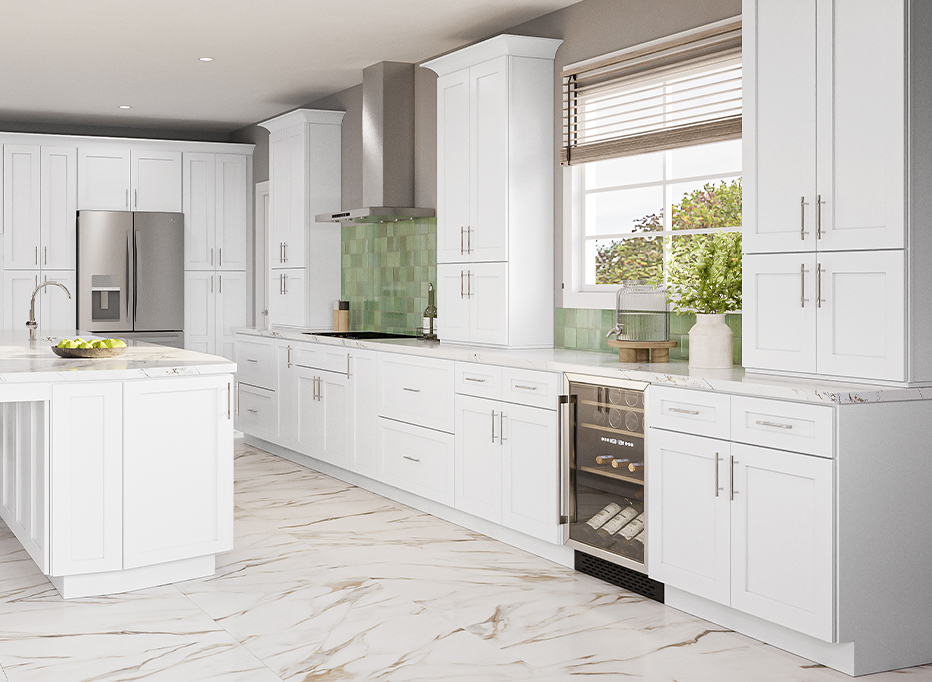
One of the most popular choices due to its simplicity and versatility.
Rustic Style
Perfect for farmhouse kitchens with natural textures and earthy tones.

How to Choose the Right Kitchen Cabinets
Choosing kitchen cabinets can feel overwhelming—but breaking it down makes it easier.
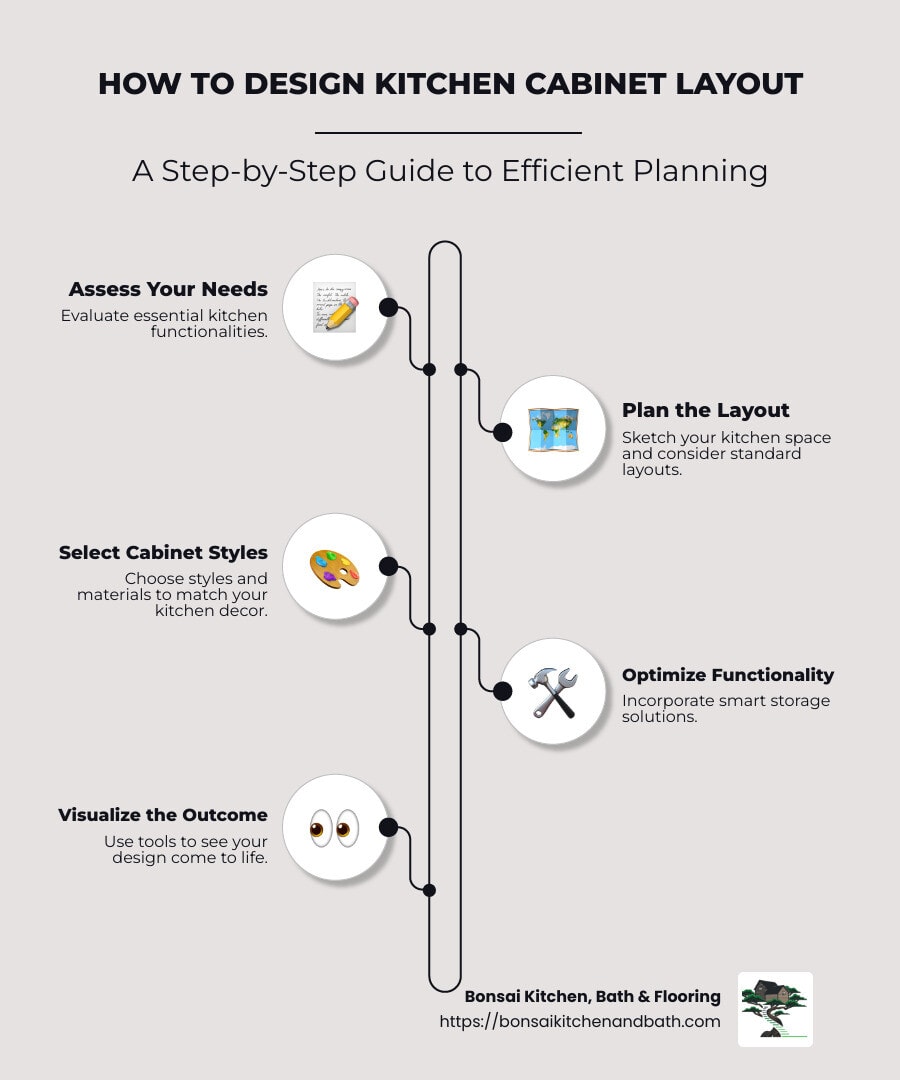
Step-by-Step Guide
1. Assess Your Space
Measure your kitchen and identify storage needs.
2. Set a Budget
Cabinets can take up 30–40% of your kitchen renovation cost.
3. Choose Style & Color
Match cabinets with flooring, walls, and appliances.
4. Consider Functionality
- Soft-close drawers
- Pull-out shelves
- Lazy Susans
5. Think Long-Term
Invest in durable materials that last years.
Cost of Kitchen Cabinets
Costs vary widely depending on type, material, and customization.
Average Price Range
- Stock cabinets: $100–$300 per unit
- Semi-custom: $150–$650 per unit
- Custom cabinets: $500–$1200+ per unit
Factors Affecting Cost
- Material quality
- Labor and installation
- Design complexity
In reality, spending more upfront often saves money in the long run due to durability.
Installation & Maintenance Tips
Installation Tips
- Hire professionals for best results
- Ensure proper alignment
- Use quality hardware
Maintenance Tips
- Clean regularly with mild detergent
- Avoid excessive moisture
- Tighten hinges periodically
Common Mistakes to Avoid
Ignoring Storage Needs
Choosing style over function can lead to frustration.
Poor Material Choice
Cheap materials may warp or break over time.
Overcrowding the Kitchen
Too many cabinets can make the space feel cramped.
Skipping Professional Help
DIY installation can lead to costly errors.
Benefits of Kitchen Cabinets
Organization
Keeps everything in place and easy to access.
Aesthetic Appeal
Enhances the overall look of your kitchen.
Increased Home Value
Well-designed cabinets can significantly boost resale value.
Efficiency
Makes cooking and cleaning easier.
Personal Background & Financial Insights
The kitchen design industry has grown massively over the past decade. Many interior designers and carpenters have built thriving careers specializing in kitchen cabinets.
Career Journey
- Starting as apprentices or DIY enthusiasts
- Moving into professional design or carpentry
- Expanding into full kitchen remodeling services
Achievements
- Designing luxury kitchens
- Working with global brands
- Building online audiences
Financial Insights
Top designers can earn anywhere from $50,000 to $150,000 annually, while successful cabinet businesses can generate even higher revenues.
This shows how impactful and profitable this niche has become.
FAQs
What are the best materials for kitchen cabinets?
Solid wood and plywood are the most durable, while MDF offers a budget-friendly alternative.
How long do kitchen cabinets last?
High-quality cabinets can last 15–50 years depending on maintenance.
Are custom cabinets worth it?
Yes, especially if you want a unique design and better space utilization.
How do I maintain kitchen cabinets?
Clean regularly, avoid moisture, and check hardware periodically.
What color cabinets are trending?
White, gray, and natural wood tones remain popular choices.
Can I install kitchen cabinets myself?
It’s possible, but professional installation ensures better results.
How much should I budget for kitchen cabinets?
Typically, 30–40% of your total kitchen renovation budget.
Do kitchen cabinets increase home value?
Yes, modern and functional cabinets can significantly boost resale value.
Conclusion
At the end of the day, kitchen cabinets are more than just storage—they’re the backbone of your kitchen’s design and functionality.
Whether you’re renovating your entire space or simply upgrading a few units, the right cabinets can completely transform how your kitchen looks and feels.
Take your time, explore your options, and invest wisely. Because when your cabinets are done right, your entire kitchen—and your daily life—becomes easier, more organized, and far more enjoyable.