Introduction
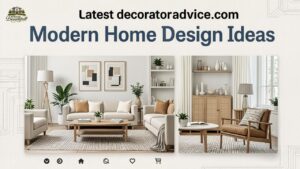
A house becomes special when it reflects the people who live inside it. Today, more homeowners are searching for ways to design a modern home that feels stylish, comfortable, and practical at the same time. From open layouts and smart technology to minimalist decor and natural lighting, the idea of modern living has evolved dramatically over the past decade.
The appeal of a modern home goes beyond aesthetics. It’s about creating spaces that work with everyday life—spaces that encourage relaxation, productivity, and connection. Whether you’re renovating an older property or designing a new house from scratch, understanding modern design principles can completely transform your living environment.
Modern homes are built around simplicity, efficiency, and thoughtful design choices. Instead of cluttered rooms and outdated layouts, modern homes focus on open spaces, functional furniture, and natural elements that make everyday living easier and more enjoyable.

Table of Contents
What Defines a Modern Home?
Key Design Principles of Modern Homes
Benefits of Living in a Modern Home
Modern Home Interior Design Ideas
Modern Home Architecture and Layout
Smart Technology in the Modern Home
Sustainable and Eco-Friendly Modern Homes
Personal Lifestyle Influence on Modern Home Design
Common Mistakes When Designing a Modern Home
Future Trends in Modern Home Living
FAQ
Conclusion
What Defines a Modern Home?
A modern home refers to a style of architecture and interior design that emphasizes simplicity, clean lines, open spaces, and functionality. While the concept originated in the early 20th century, modern home design continues to evolve with new technologies and lifestyle trends.

Core Characteristics
Some defining characteristics of modern homes include:
- Open floor plans
- Minimalist interior design
- Large windows for natural light
- Neutral color palettes
- Functional furniture
- Integration of indoor and outdoor spaces
Unlike traditional homes that often feature ornate decorations and compartmentalized rooms, modern homes focus on simplicity and usability.
Key Design Principles of Modern Homes

Designing a modern home involves several guiding principles that shape the overall look and feel.
Simplicity and Clean Lines
Modern design avoids excessive decoration. Straight lines, geometric shapes, and uncluttered surfaces define the style.
Open Floor Plans
Walls are minimized to create spacious, flowing layouts where living areas connect seamlessly.
Natural Light
Large windows, skylights, and glass doors allow sunlight to fill interior spaces.
Neutral Color Palettes
Most modern homes use colors like white, grey, beige, and natural wood tones.
Functional Furniture
Furniture pieces are chosen for both comfort and practicality, often with sleek and minimal designs.
Benefits of Living in a Modern Home

Improved Space Efficiency
Open layouts allow homeowners to use space more effectively. Rooms feel larger and more connected.
Enhanced Natural Lighting
Natural light improves mood and reduces the need for artificial lighting.
Energy Efficiency
Many modern homes incorporate energy-efficient materials, insulation, and smart systems.
Easier Maintenance
Minimalist interiors require less cleaning and upkeep.
According to housing studies, modern homes often increase property value due to their efficiency and contemporary appeal.
Modern Home Interior Design Ideas

Interior design plays a crucial role in shaping a modern home.
Living Room Design
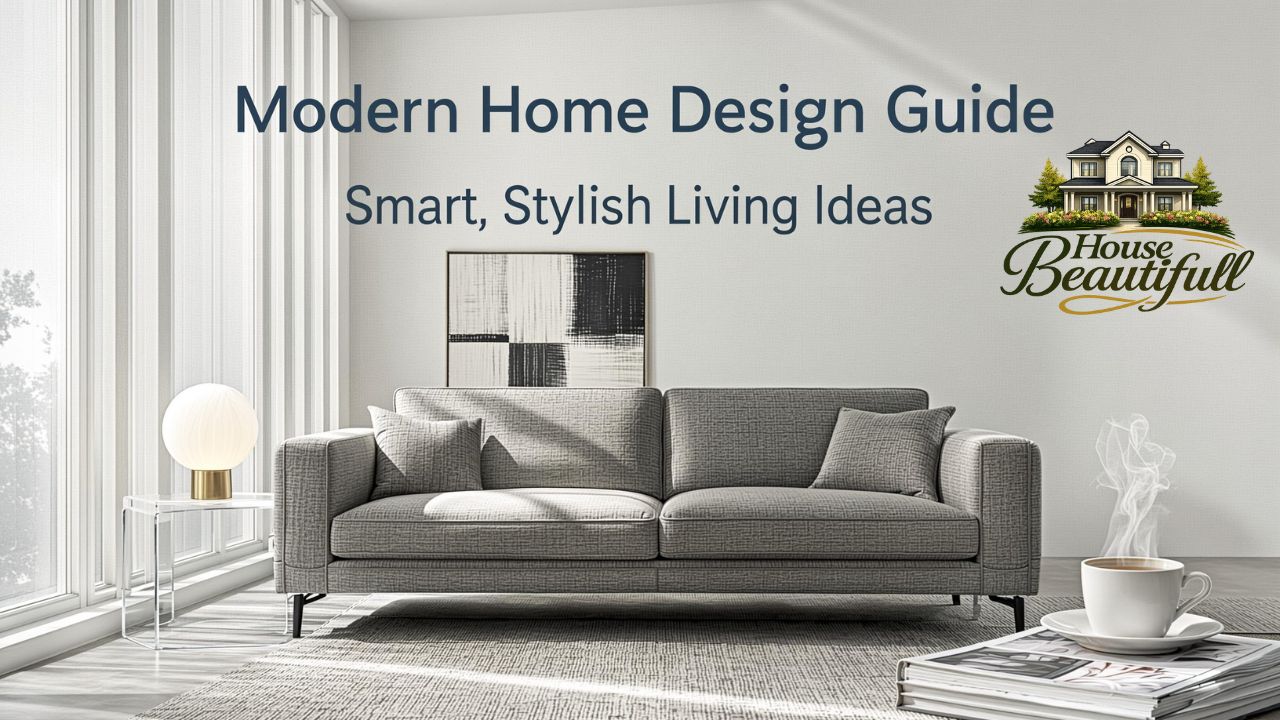
Modern living rooms often feature:
- neutral sofas
- simple coffee tables
- statement lighting fixtures
- indoor plants
A well-designed living room becomes a welcoming space for relaxation and social interaction.
Kitchen Design
Modern kitchens emphasize both style and functionality.
Key features include:
| Design Element | Purpose |
|---|---|
| Kitchen islands | Additional workspace |
| Hidden storage | Cleaner appearance |
| LED lighting | Energy efficiency |
| Minimalist cabinets | Sleek aesthetic |
Bedroom Design
Bedrooms in modern homes focus on comfort and calm environments.
Design elements include:
- simple bed frames
- soft lighting
- neutral bedding
- minimal decoration
The goal is to create a relaxing retreat.
Home Office Spaces
With remote work becoming common, many modern homes include dedicated workspaces.

Important features:
- ergonomic chairs
- adjustable desks
- natural lighting
- minimal distractions
Modern Home Architecture and Layout
Modern architecture emphasizes harmony between structure and environment.
Exterior Features
Modern homes often include:
- flat or low-sloped roofs
- large glass windows
- geometric shapes
- mixed materials like wood, concrete, and steel
Indoor-Outdoor Integration
Many homes blur the line between indoor and outdoor spaces through sliding glass doors and patios.
Space Flow
Rooms connect naturally, allowing movement and visual openness.
Smart Technology in the Modern Home
Technology has become an essential component of the modern home experience.

Popular Smart Home Devices
Smart home systems commonly include:
- smart thermostats
- automated lighting
- voice-controlled assistants
- smart security systems
These technologies improve convenience, security, and energy efficiency.
Home Automation Benefits
Automation allows homeowners to control lighting, temperature, and appliances from their smartphones.
This technology reduces energy consumption and simplifies everyday routines.
Sustainable and Eco-Friendly Modern Homes
Sustainability has become a major focus in modern home design.
Eco-Friendly Materials
Common sustainable materials include:
- bamboo flooring
- recycled wood
- natural stone
- low-VOC paints
Energy Efficiency
Modern homes often incorporate:
- solar panels
- energy-efficient windows
- advanced insulation systems
These features reduce environmental impact while lowering utility costs.
Personal Lifestyle Influence on Modern Home Design
Homes are becoming more personalized than ever.
A modern home reflects the lifestyle of its occupants.
Family-Focused Layouts
Families often design spaces that encourage interaction and shared activities.
Work-From-Home Needs
Dedicated workspaces are now common.
Wellness-Focused Design
Some modern homes include meditation areas, home gyms, or spa-style bathrooms.
These features support physical and mental well-being.
Common Mistakes When Designing a Modern Home
Over-Minimalism
While minimalism is important, removing too many elements can make spaces feel cold.
Ignoring Comfort
Modern homes should still feel warm and inviting.
Poor Lighting Choices
Lighting dramatically influences atmosphere.
Following Trends Blindly
Design trends change quickly. A timeless approach ensures lasting appeal.
Future Trends in Modern Home Living

The concept of the modern home continues to evolve.
Smart Home Integration
Technology will play an even larger role in home design.
Sustainable Architecture
Eco-friendly construction will become standard practice.
Flexible Living Spaces
Homes will adapt to changing lifestyles with multi-purpose rooms.
Wellness-Focused Homes
Future designs will prioritize health, natural light, and indoor air quality.
FAQ
What is a modern home?
A modern home is a style of architecture and interior design focused on simplicity, open spaces, and functional living environments.
Are modern homes expensive to build?
Costs vary, but modern designs can be cost-efficient due to simplified structures and energy-saving materials.
What colors work best in modern homes?
Neutral colors like white, grey, beige, and soft earth tones are commonly used.
Do modern homes use smart technology?
Yes. Many modern homes incorporate smart devices for lighting, security, and energy management.
Are modern homes environmentally friendly?
Many modern homes include sustainable materials and energy-efficient systems.
What furniture suits modern homes?
Minimalist furniture with clean lines works best.
Can older houses be converted into modern homes?
Yes. Renovations such as open layouts, updated lighting, and minimalist interiors can modernize older properties.
Why are modern homes popular?
They offer comfort, efficiency, and contemporary design suited to modern lifestyles.
Conclusion
Designing a modern home is about more than following a trend—it’s about creating a living environment that supports the way people live today. With open spaces, smart technology, and thoughtful design choices, modern homes combine beauty with practicality.
As lifestyles continue evolving, the concept of modern living will adapt alongside new technologies and sustainability practices. Whether through minimalist interiors, energy-efficient architecture, or personalized design choices, modern homes represent a future where comfort, innovation, and style exist in perfect balance.