Introduction
There’s something instantly calming about stepping into a bright, airy bathroom where everything feels clean, simple, and peaceful. A white bathroom has a unique ability to create that atmosphere. The soft brightness of white surfaces reflects light beautifully, making the space feel larger, fresher, and more inviting.
For decades, homeowners and designers have turned to white as the foundation of timeless bathroom design. From minimalist spa-style interiors to luxurious marble spaces, white bathrooms offer a perfect balance of elegance and practicality.
The appeal goes far beyond aesthetics. White surfaces highlight natural light, enhance cleanliness, and make small bathrooms feel dramatically more open. Whether you’re renovating a compact apartment bathroom or designing a luxury master bath, white provides the perfect canvas for creativity.
This guide explores inspiring design ideas, practical renovation strategies, and expert insights that help transform a simple bathroom into a sophisticated and relaxing retreat.

Table of Contents
- Why White Bathrooms Remain a Timeless Design Choice
- Popular White Bathroom Design Styles
- Choosing the Best Materials for White Bathrooms
- Lighting Strategies for Bright Bathroom Spaces
- Storage and Organization in White Bathrooms
- Small White Bathroom Design Solutions
- Cost Planning for Bathroom Renovations
- Designer Inspiration and Real-Life Examples
- Future Trends in White Bathroom Interiors
Why White Bathrooms Remain a Timeless Design Choice
The enduring popularity of the white bathroom is rooted in both visual appeal and practicality. Unlike trendy color palettes that may fade with time, white consistently feels modern and elegant.
Clean and Hygienic Appearance
Bathrooms are closely associated with cleanliness. White surfaces naturally reinforce this perception. Even subtle details—like white tiles or porcelain fixtures—help create a feeling of freshness.
Reflective Light and Spaciousness
White reflects more light than darker colors. This effect makes bathrooms appear larger, brighter, and more open.

Designers often use white in:
- Small apartment bathrooms
- Powder rooms with limited lighting
- Luxury spa-style bathrooms
Versatility Across Design Styles
White bathrooms adapt easily to multiple design aesthetics, including:
- Modern minimalist interiors
- Scandinavian bathroom design
- Classic traditional bathrooms
- Coastal-inspired bathroom spaces
Because white acts as a neutral foundation, homeowners can update accessories or fixtures without redesigning the entire room.
Popular White Bathroom Design Styles

Different design styles can dramatically change the feel of a white bathroom.
Scandinavian White Bathrooms
Scandinavian design focuses on simplicity, natural materials, and functional elegance.
Key features include:
- Light wood accents
- Minimal décor
- Soft lighting
- Matte white tiles
This style creates a calm and cozy atmosphere.
Modern Minimalist Bathrooms
Minimalist bathrooms emphasize clean lines and uncluttered spaces.
Characteristics often include:
- Floating vanities
- Frameless mirrors
- Hidden storage
- Neutral tones
The goal is visual simplicity combined with practical functionality.
Classic Marble Bathrooms
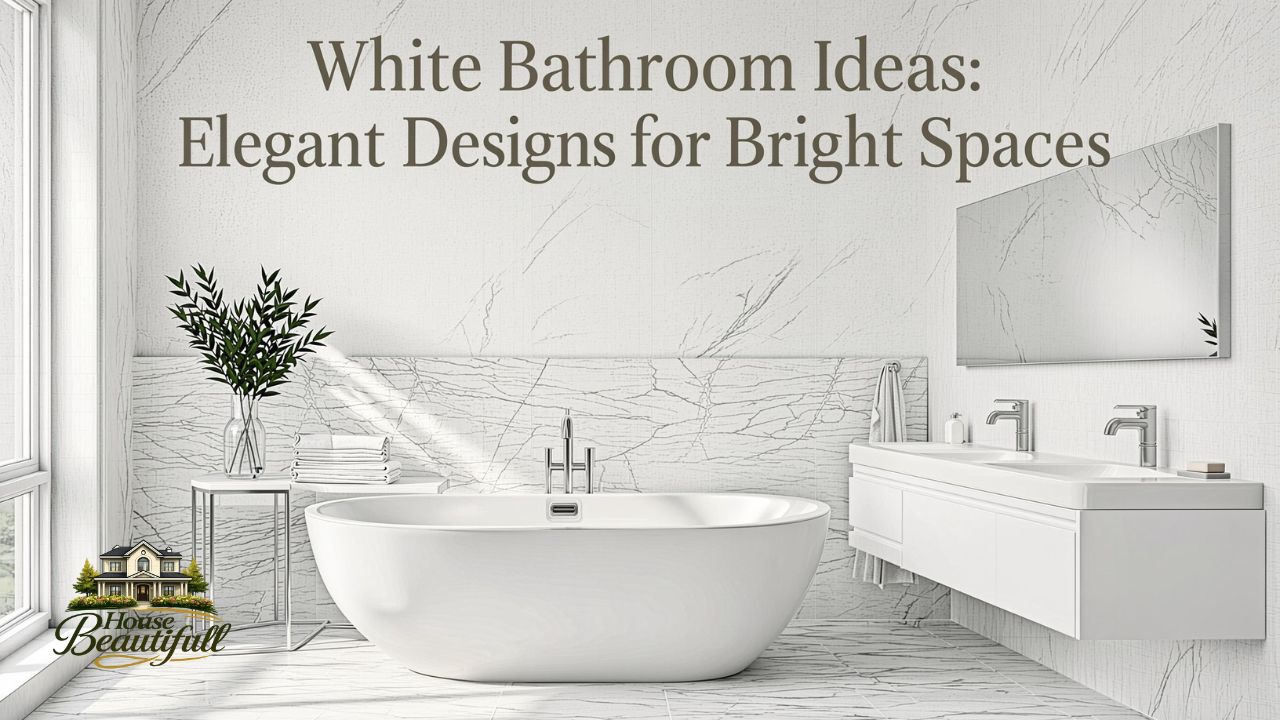
Marble instantly elevates a white bathroom into a luxurious space.
Common marble features include:
- Marble floor tiles
- Marble shower walls
- Marble countertops
Natural veining adds texture while maintaining the bright color palette.
Farmhouse Bathroom Style
Rustic elements can soften the brightness of white interiors.
Typical farmhouse accents include:
- Wooden vanities
- Vintage-style faucets
- Subway tile walls
The result is a cozy yet elegant bathroom environment.
Choosing the Best Materials for White Bathrooms
Material choices strongly influence the durability and style of a white bathroom.
Ceramic and Porcelain Tiles
Tiles remain the most popular bathroom material due to their durability and water resistance.
Benefits include:
- Affordable pricing
- Easy maintenance
- Wide design options
Marble Surfaces
Marble is often associated with high-end bathrooms.
Advantages:
- Elegant appearance
- Natural patterns
- Increased property value
However, marble requires sealing and careful maintenance.
Quartz Countertops
Quartz offers the appearance of natural stone with less maintenance.
Advantages include:
- Non-porous surface
- Resistant to stains
- Durable construction
Glass Elements
Glass shower doors and partitions help maintain the open feel of white spaces.
Lighting Strategies for Bright Bathroom Spaces
Lighting plays a crucial role in enhancing a white bathroom’s atmosphere.
Layered Lighting
Combining multiple lighting types creates balanced illumination.
Types include:
- Ceiling lighting
- Vanity lighting
- Accent lighting
LED Mirrors
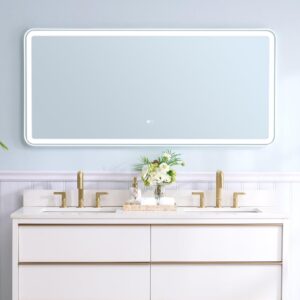
Backlit mirrors provide both practical lighting and modern aesthetics.
Natural Lighting
Maximizing natural light through windows or skylights dramatically improves bathroom ambiance.
Storage and Organization in White Bathrooms
Even the most beautiful bathroom can feel cluttered without proper storage.
Smart storage solutions include:
- Floating shelves
- Recessed wall niches
- Built-in cabinets
- Vanity drawers
Organized spaces preserve the clean aesthetic associated with white interiors.
Small White Bathroom Design Solutions
Designing a compact bathroom requires strategic planning.
Here are several effective strategies for white bathroom layouts:
Use Large Mirrors
Mirrors reflect light and visually expand the space.
Install Floating Fixtures
Floating vanities and wall-mounted toilets free up floor space.
Choose Minimalist Accessories
Avoid overcrowding surfaces with decorative items.
These solutions help small bathrooms feel open and relaxing.
Cost Planning for Bathroom Renovations
Renovating a bathroom requires careful budgeting.
| Renovation Item | Average Cost |
|---|---|
| Tile Installation | $1,000 – $4,500 |
| Vanity Replacement | $600 – $3,000 |
| Lighting Fixtures | $200 – $1,200 |
| Glass Shower Doors | $800 – $2,500 |
| Complete Bathroom Remodel | $5,000 – $25,000 |
Proper planning prevents unexpected expenses during renovations.
Designer Inspiration and Personal Background
Many leading interior designers built successful careers specializing in bathroom transformations. Designers like Nate Berkus and Kelly Wearstler are known for their elegant interpretations of neutral interior spaces.
Their work demonstrates how thoughtful material selection, lighting, and layout can elevate a simple white bathroom into a luxurious retreat.
Through television shows, design consultations, and brand partnerships, some top designers have built impressive professional careers. Their estimated net worth often reaches several million dollars, highlighting the influence and value of high-quality interior design expertise.
Future Trends in White Bathroom Interiors
Bathroom design continues evolving with technology and lifestyle changes.
Emerging trends include:
- Smart mirrors with digital displays
- Heated floors for comfort
- Water-efficient fixtures
- Sustainable materials
Even with these innovations, the core concept of the white bathroom remains timeless.
FAQ
Why are white bathrooms so popular?
White bathrooms create a bright, clean atmosphere and reflect light, making spaces feel larger and more inviting.
Do white bathrooms require more cleaning?
While dirt can be more visible, regular maintenance keeps white surfaces looking fresh and hygienic.
What colors pair well with white bathrooms?
Neutral tones such as gray, beige, and soft pastels complement white beautifully.
Are white bathrooms suitable for small spaces?
Yes. White reflects light and visually expands smaller rooms.
What materials work best in white bathrooms?
Popular materials include marble, porcelain tiles, quartz countertops, and glass shower panels.
How can I make a white bathroom feel warmer?
Add wooden accents, warm lighting, and textured fabrics to balance the brightness.
Are white bathrooms outdated?
Not at all. White remains one of the most timeless bathroom design choices.
Can white bathrooms feel luxurious?
Yes. High-end materials like marble, polished chrome fixtures, and elegant lighting can create a luxurious spa-like environment.
Conclusion
A thoughtfully designed white bathroom offers a perfect blend of elegance, practicality, and timeless beauty. The brightness of white surfaces enhances natural light, creates a calming atmosphere, and provides a versatile foundation for many design styles.
Whether you prefer minimalist interiors, luxurious marble finishes, or cozy farmhouse details, white bathrooms adapt effortlessly to different tastes and lifestyles. By choosing the right materials, lighting, and layout, homeowners can transform even the smallest bathroom into a relaxing retreat.
Ultimately, the beauty of a white bathroom lies in its simplicity. Clean lines, soft lighting, and carefully chosen textures come together to create a space that feels both refreshing and sophisticated—an everyday sanctuary within the home.